
Brought to you by
Walfinch Oxfordshire


Staying active in later life rarely looks like a gym timetable. In Oxfordshire it looks more like a slow lap of University Parks, a morning in the garden, or a walk along the river paths that cross Port Meadow.
That is the starting point for a new guide from Walfinch Oxfordshire, the Wantage-based home care provider, which has set out five practical ways older people across the county can keep moving without overhauling their daily routine.
The guide, published on the company's news pages, argues that the biggest risk to mobility in later life is not a sudden loss of ability but a quiet erosion of routine and confidence. Leaving the house a little less often. Sitting for longer stretches. Cancelling a regular plan once, then twice.
Walking comes first on the Walfinch list, and the emphasis is on consistency rather than distance. A familiar route, walked regularly, with known places to pause, does more for balance and long term mobility than an occasional longer outing. Oxfordshire has no shortage of accessible options, from the flat paths of Port Meadow to the open ground of the University Parks.
The second suggestion stays indoors. Reaching into a high cupboard, standing up to put the kettle on, moving between rooms, bending to the oven: small everyday actions that keep joints mobile and stop muscles from shortening. Cooking, gardening and light housework, the guide notes, often do more good than a structured routine ever manages to.
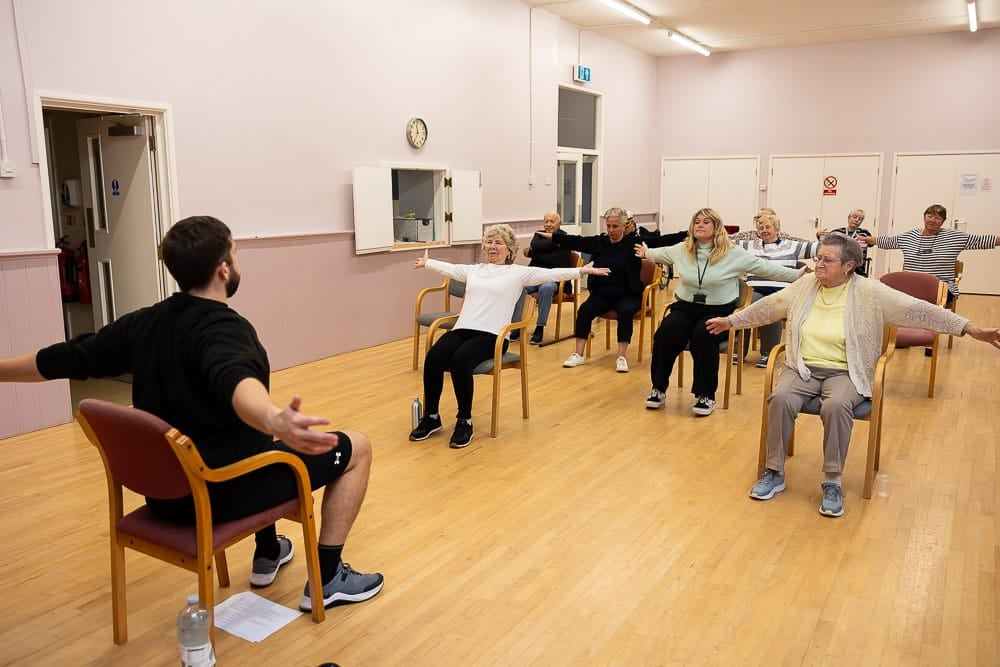
The third route is clubs and classes, and this is where Walfinch's own work in the community comes in. The company runs free Thrive Clubs across Oxfordshire, with seated exercise, arts and crafts and board game sessions held in villages including Ducklington, East Hanney, Uffington and Witney. The sessions are open to anyone, not only Walfinch clients, and are led by activities organiser Hannah Tomlin alongside local fitness specialist Oliver Halls.
Hannah Tomlin was highly commended at this year's BBC Make a Difference Awards for her work building the clubs, which have grown into a small network of regular weekly meet-ups aimed as much at combating isolation as at physical activity. Local leisure centres such as Ferry Leisure Centre and White Horse Leisure and Tennis Centre also feature in the guide as places older residents can find structured classes.
The remaining suggestions in the piece cover social contact and the role that a bit of company can play in getting someone out of the door, and the quiet contribution that home care itself can make when it is designed to support activity rather than replace it.
That last point sits at the heart of how Walfinch Oxfordshire, run by managing director Kam Gill since 2019, describes its approach. Care visits are built around what someone already does, whether that is a daily walk, a weekly shop or time spent pottering in the garden, rather than taking those tasks away.
The company holds a Good rating from the Care Quality Commission and covers Abingdon, Didcot, Oxford, Wallingford, Kidlington, Uffington, Faringdon and Ducklington from its Wantage base. Kam Gill was named winner in the registered managers category at last year's Dementia Care Awards.
The full guide, along with details of upcoming Thrive Club sessions, is available on the Walfinch Oxfordshire website.


Share