


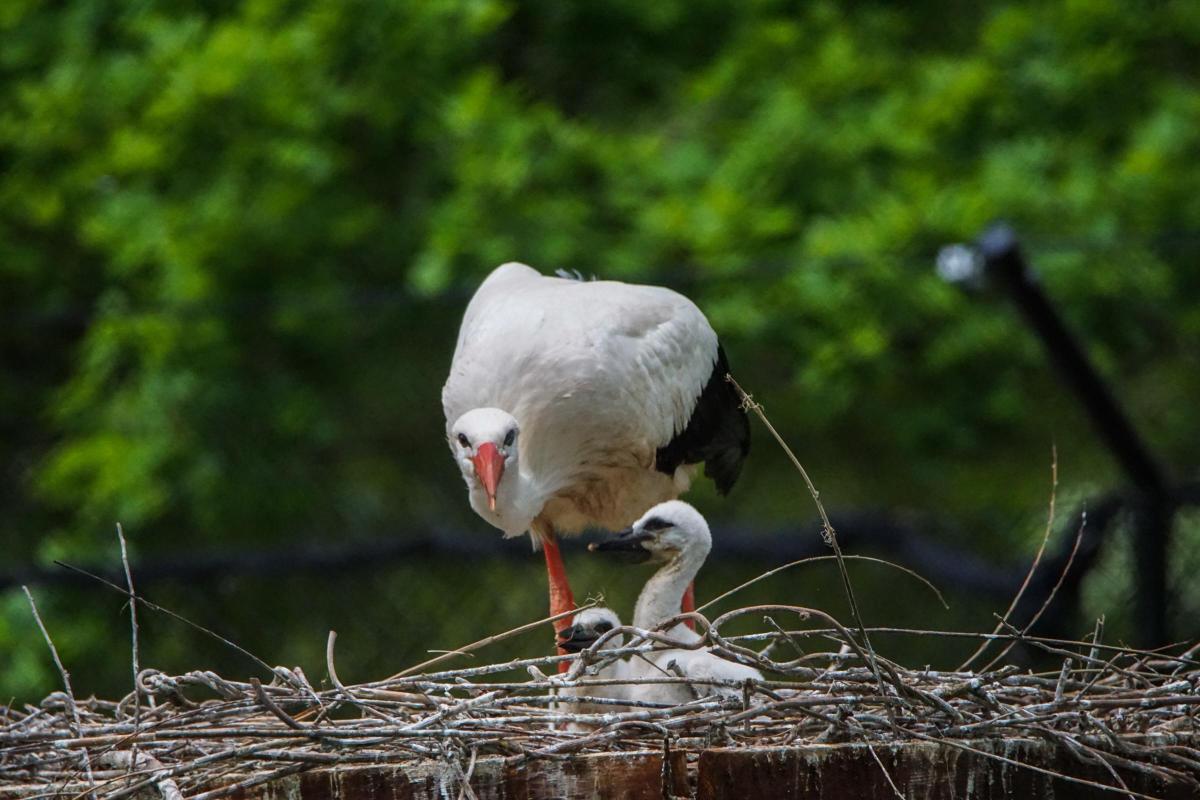
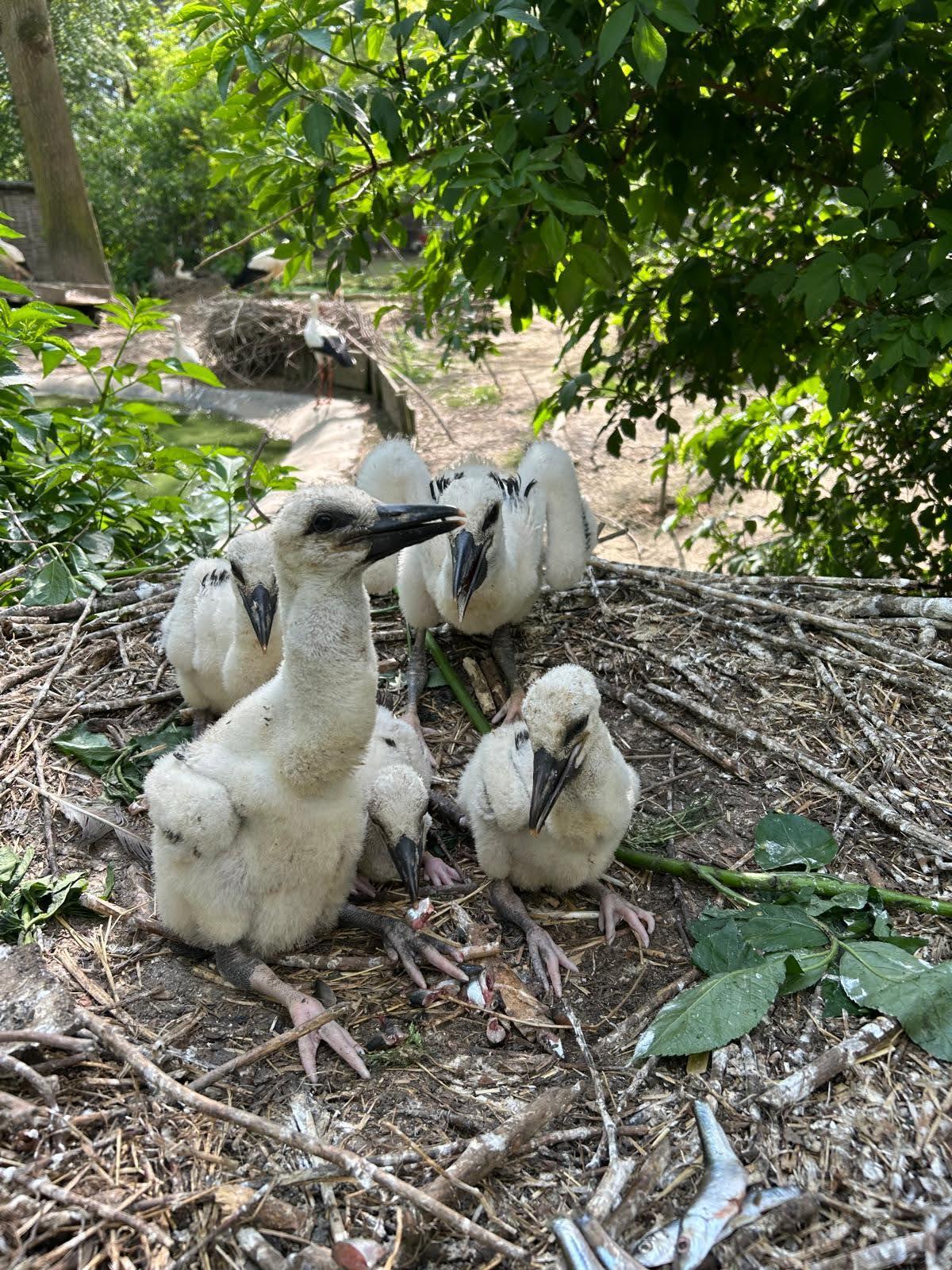
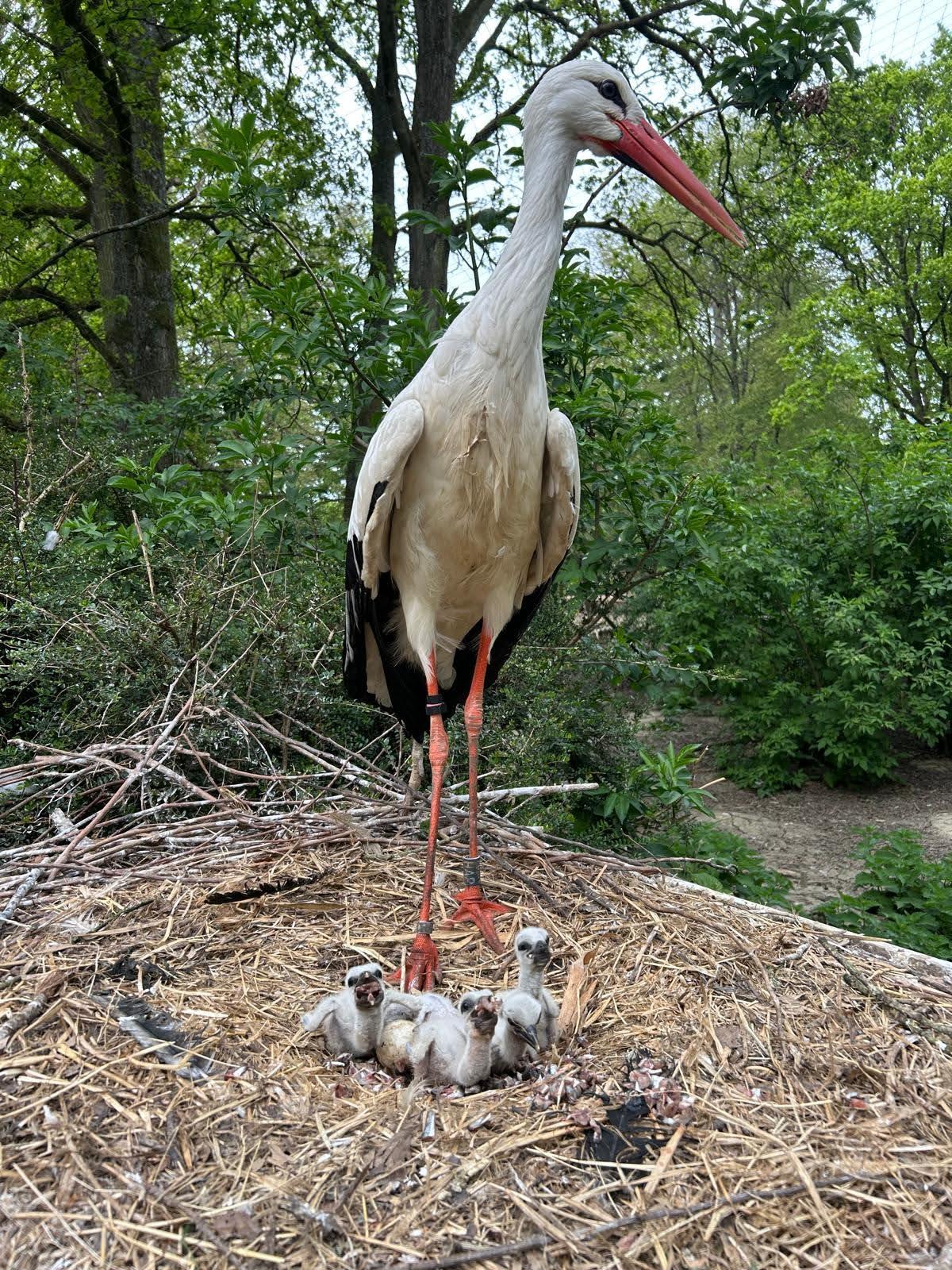
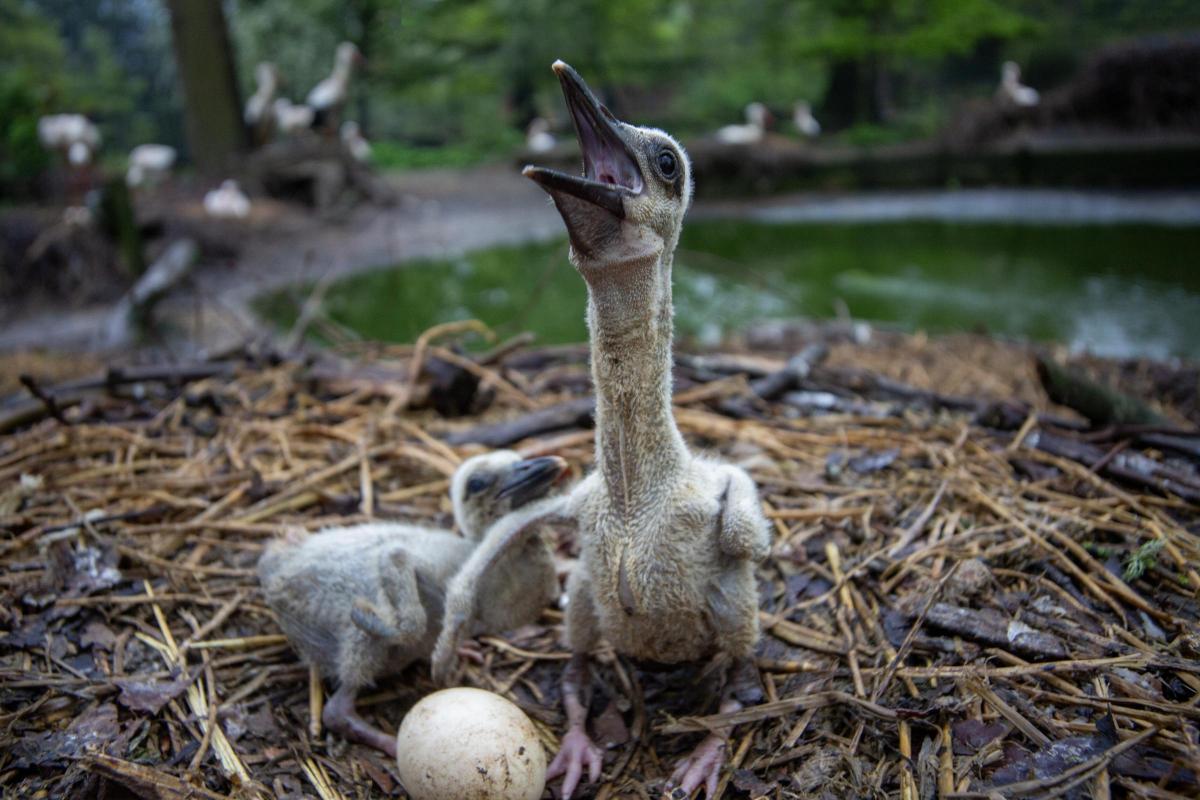
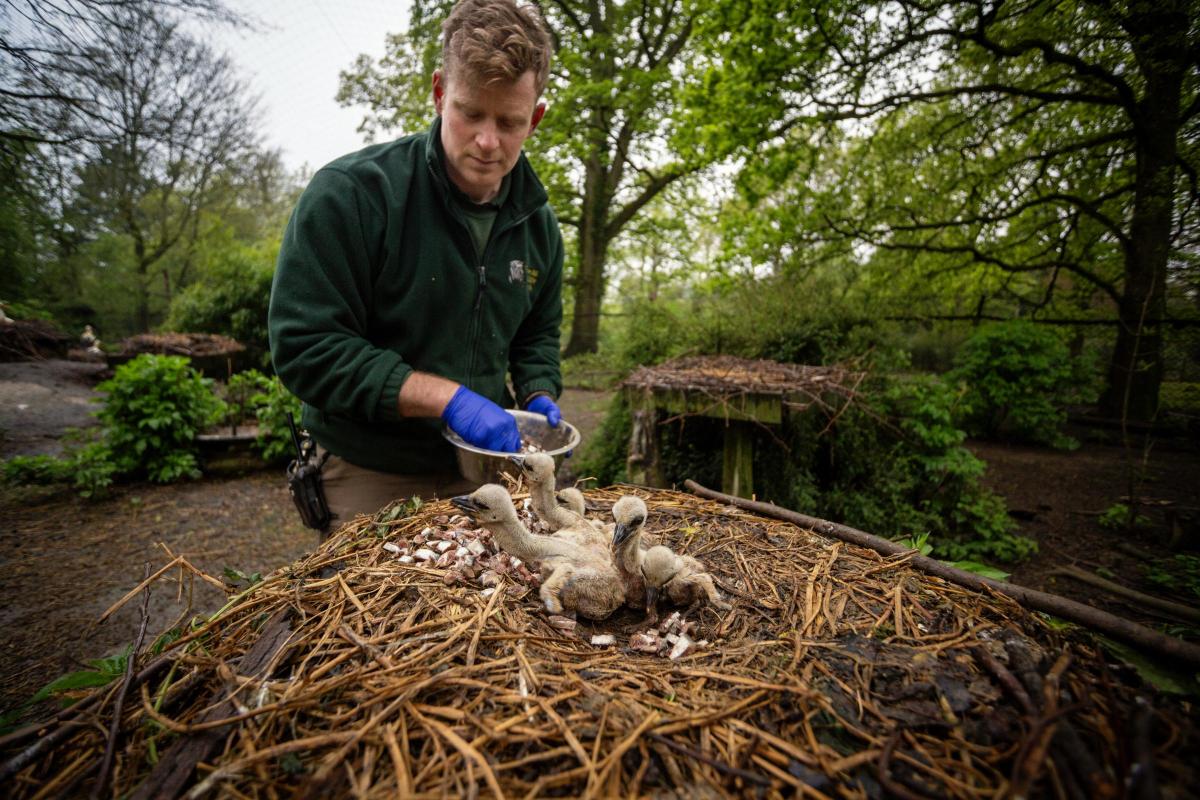

A record-breaking 49 white stork chicks have been bred at Cotswold Wildlife Park this year.
The success marks the best breeding season in the park's history and forms a key part of a national rewilding effort to reintroduce white storks to southern England.

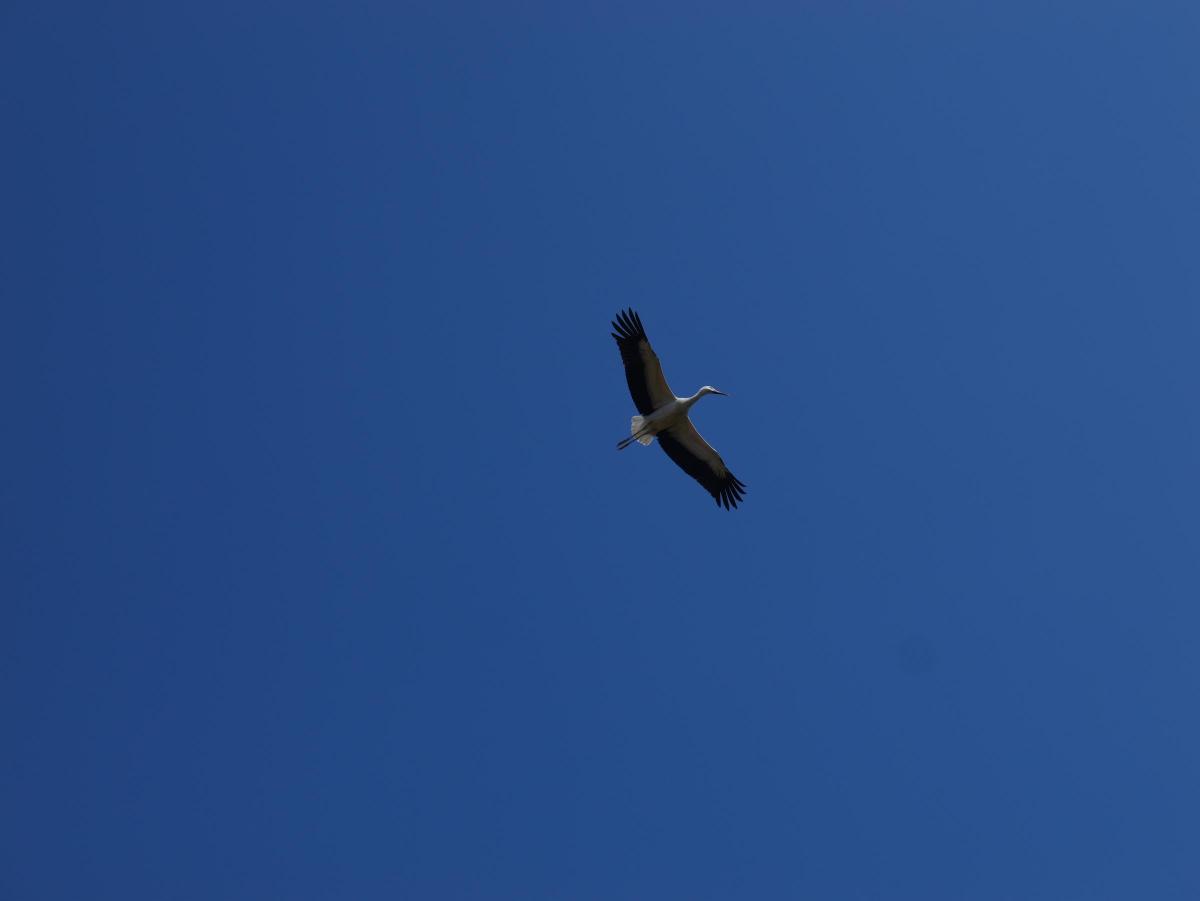
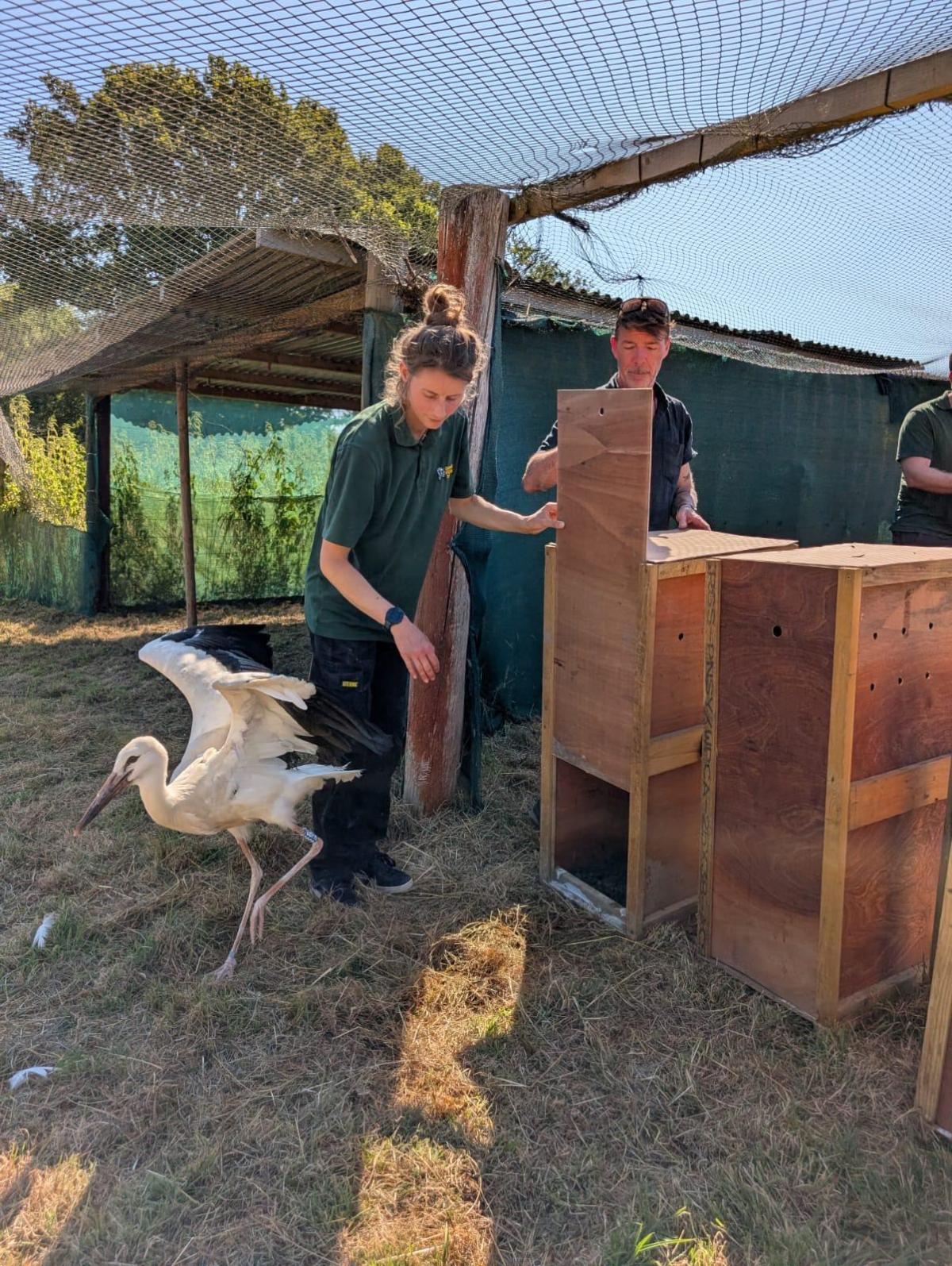
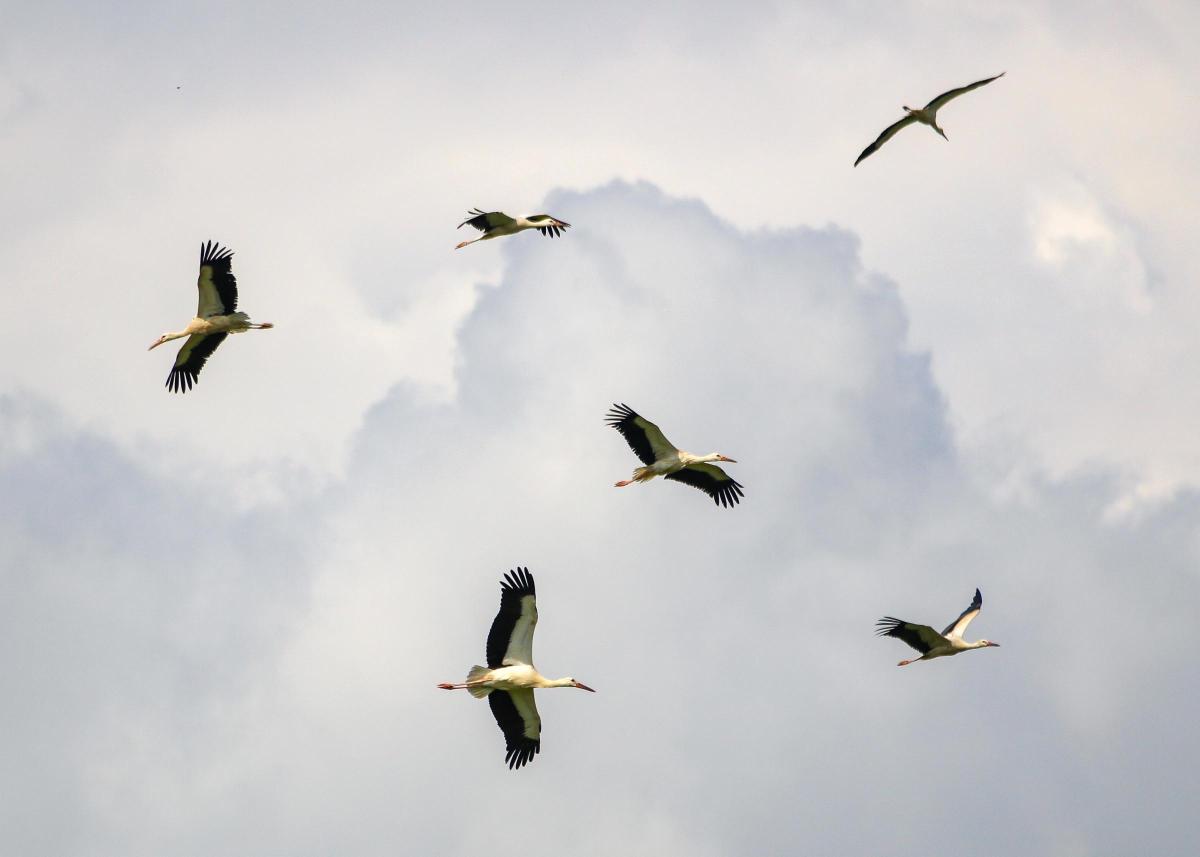
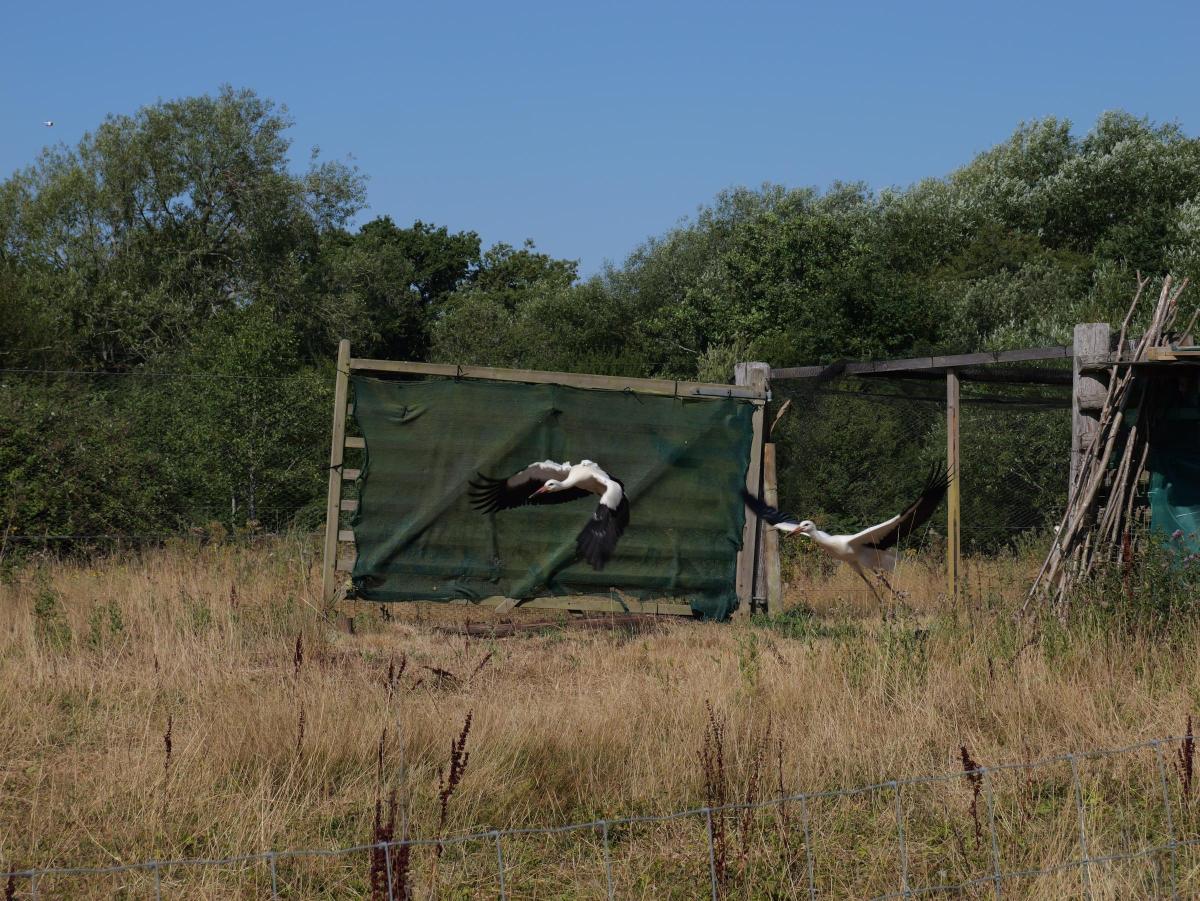
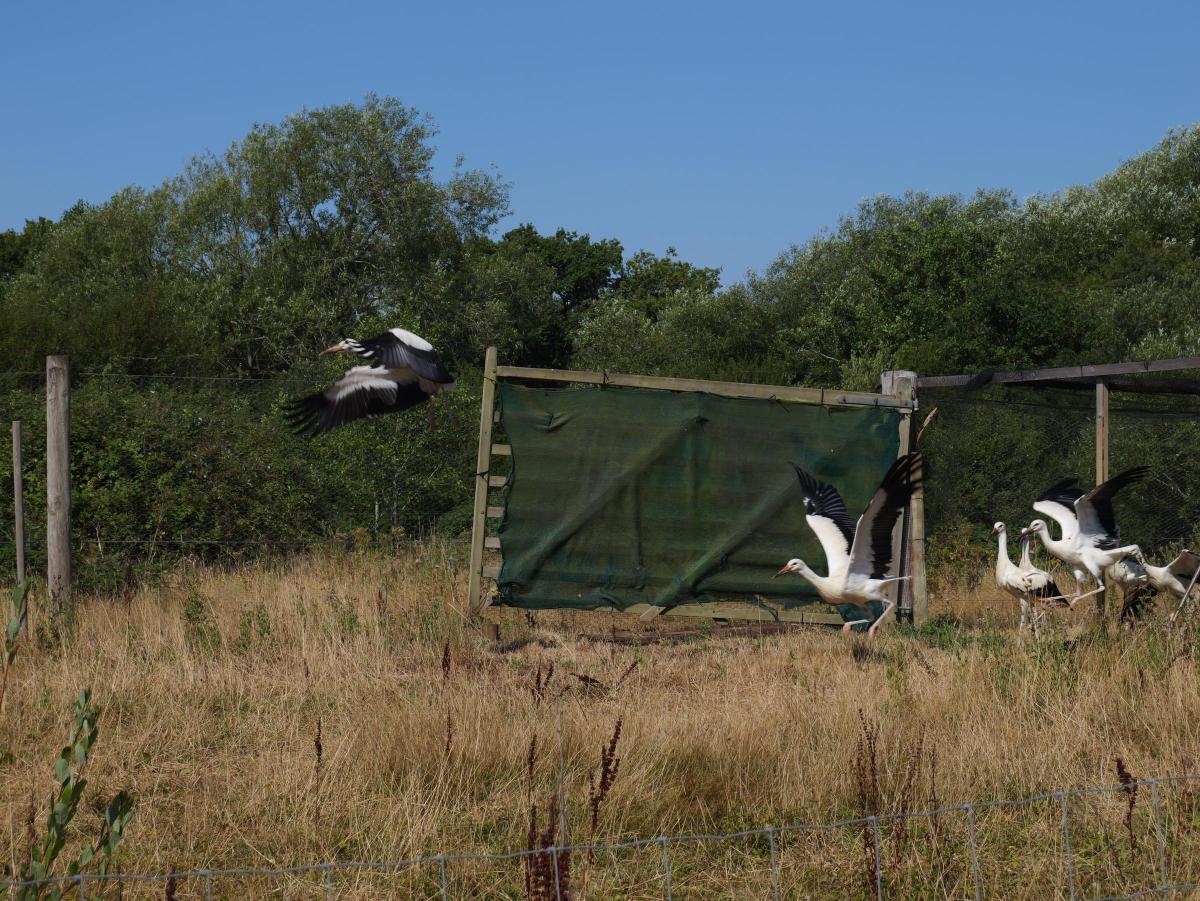
Jamie Craig, curator and managing director at Cotswold Wildlife Park, said: "Watching our young storks hatch, grow at the park and then be transferred to Knepp is always a proud moment, but when they are finally released and take to the air to soar the thermals, it’s a sight that always inspires us for the future.
"It is the pinnacle of what we do and something I never tire of."

The park has contributed to the White Stork Project for nine consecutive years, raising chicks for release into the wild as part of one of the UK’s most ambitious rewilding programmes.
The project aims to establish a wild, breeding population with at least 50 breeding pairs across southern England by 2030.
Since the project began in 2016, the park has bred 280 White Storks for the scheme, making a significant contribution to efforts to restore this iconic species to Britain.
Read more
This year also marks the 10th anniversary of the project.

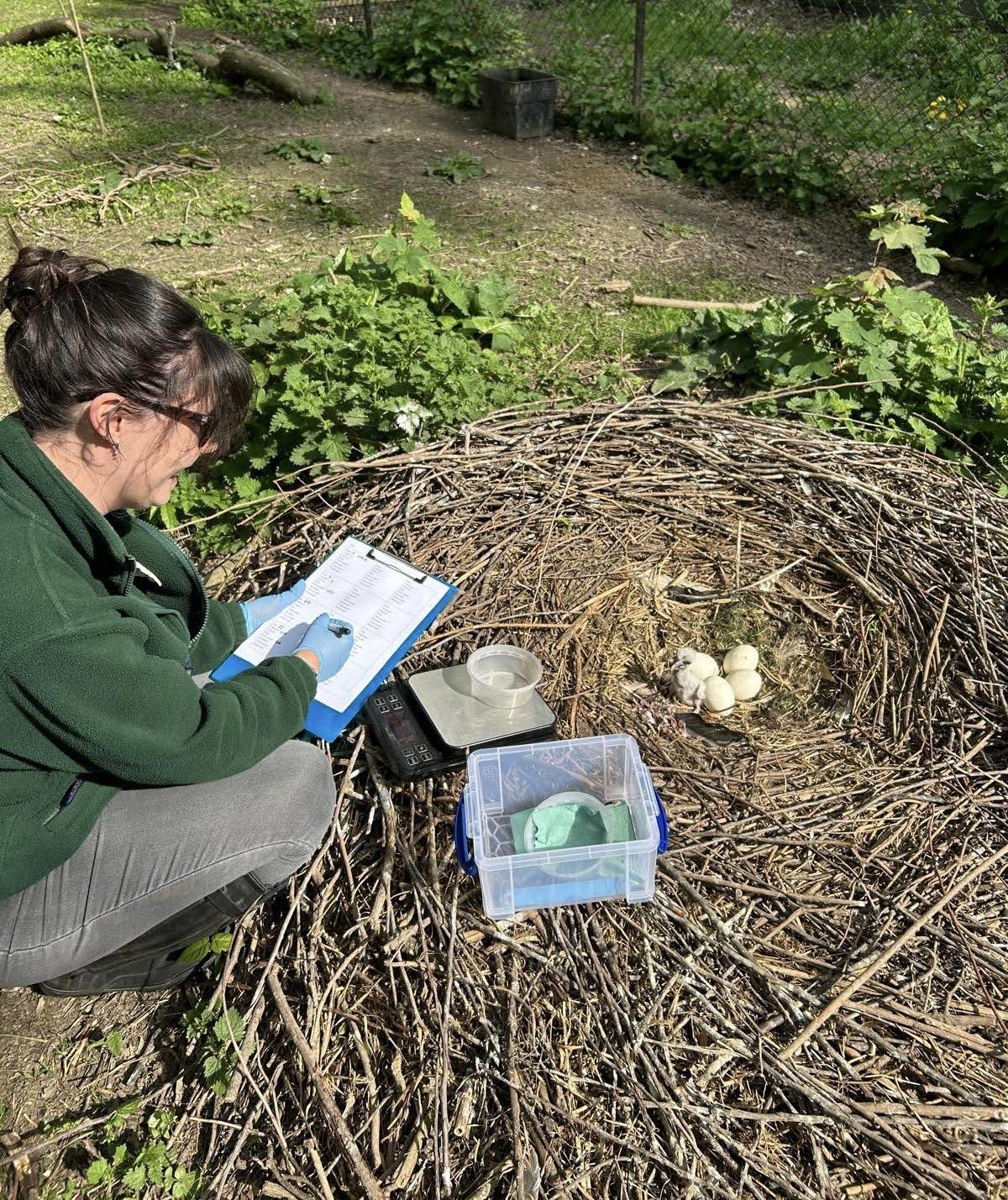
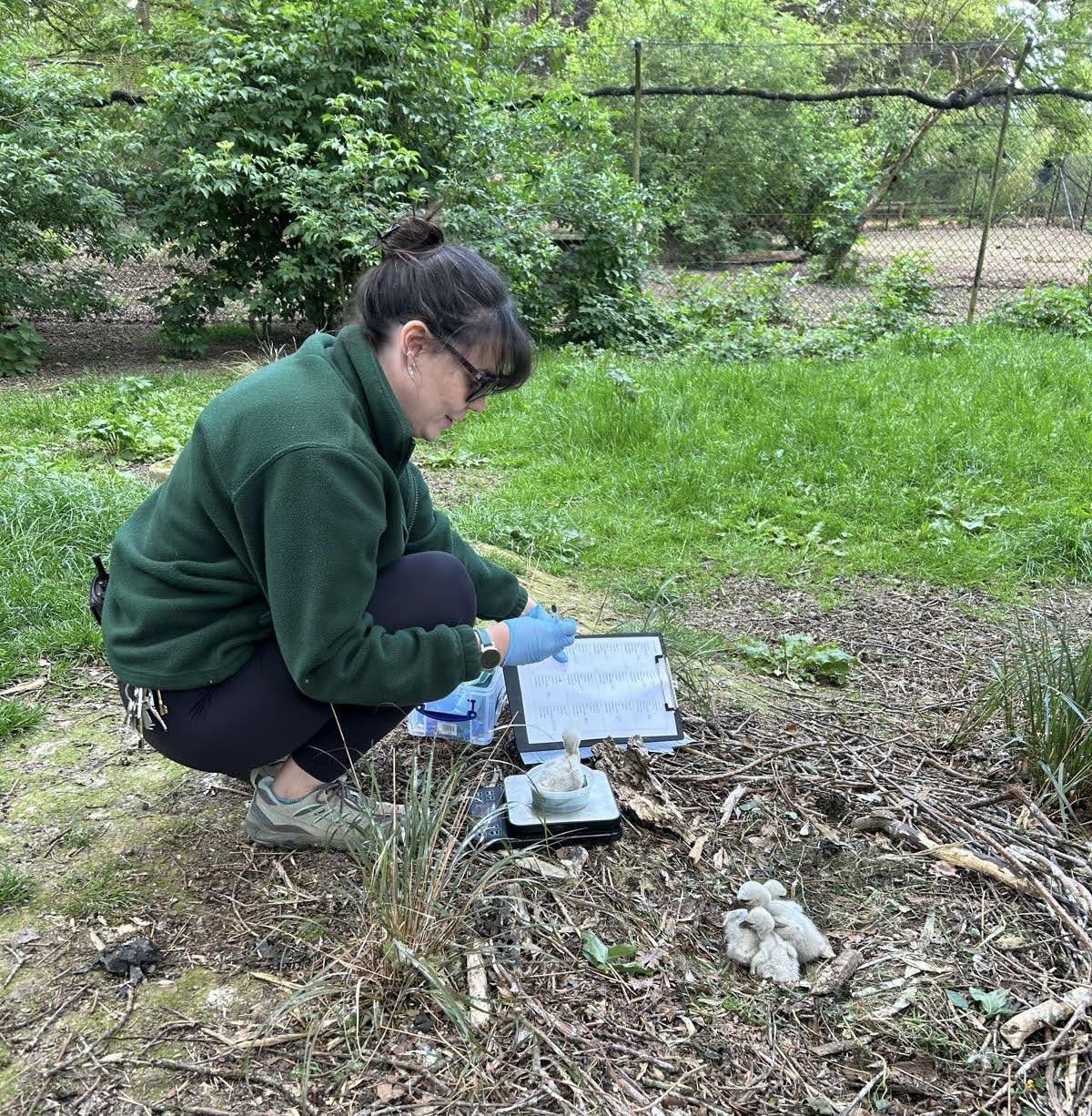
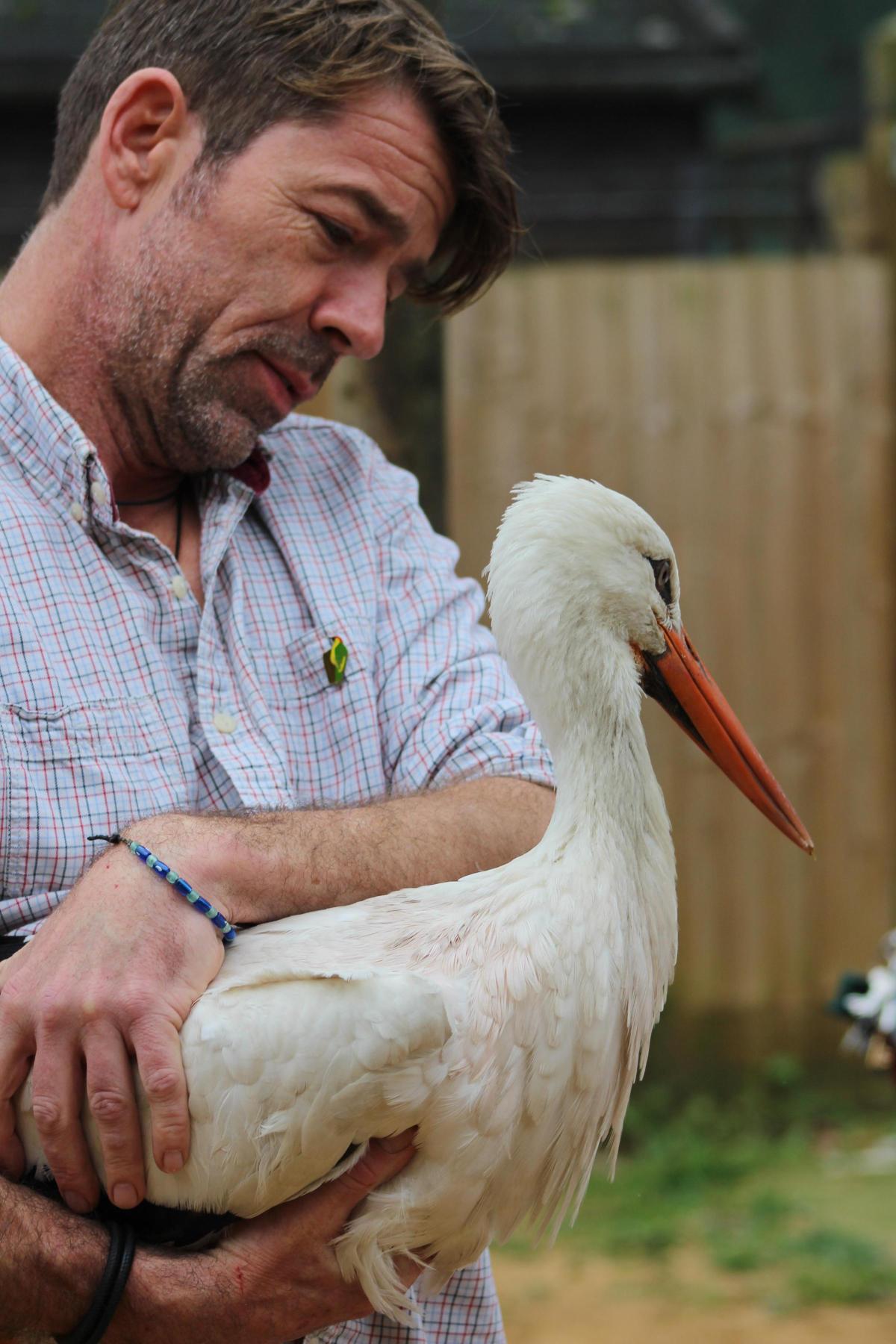
Mr Craig explained the hands-on care involved in raising the chicks.
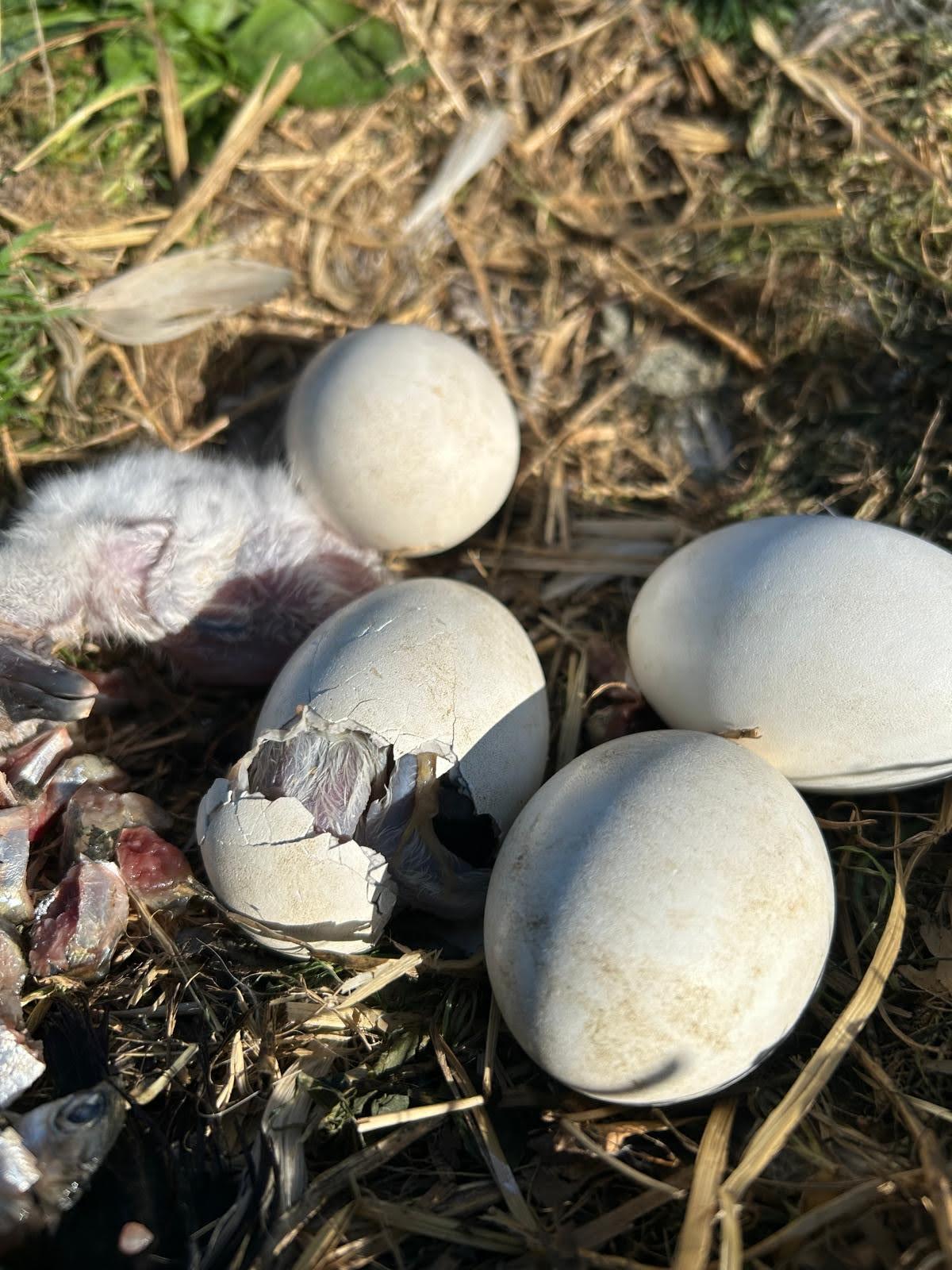
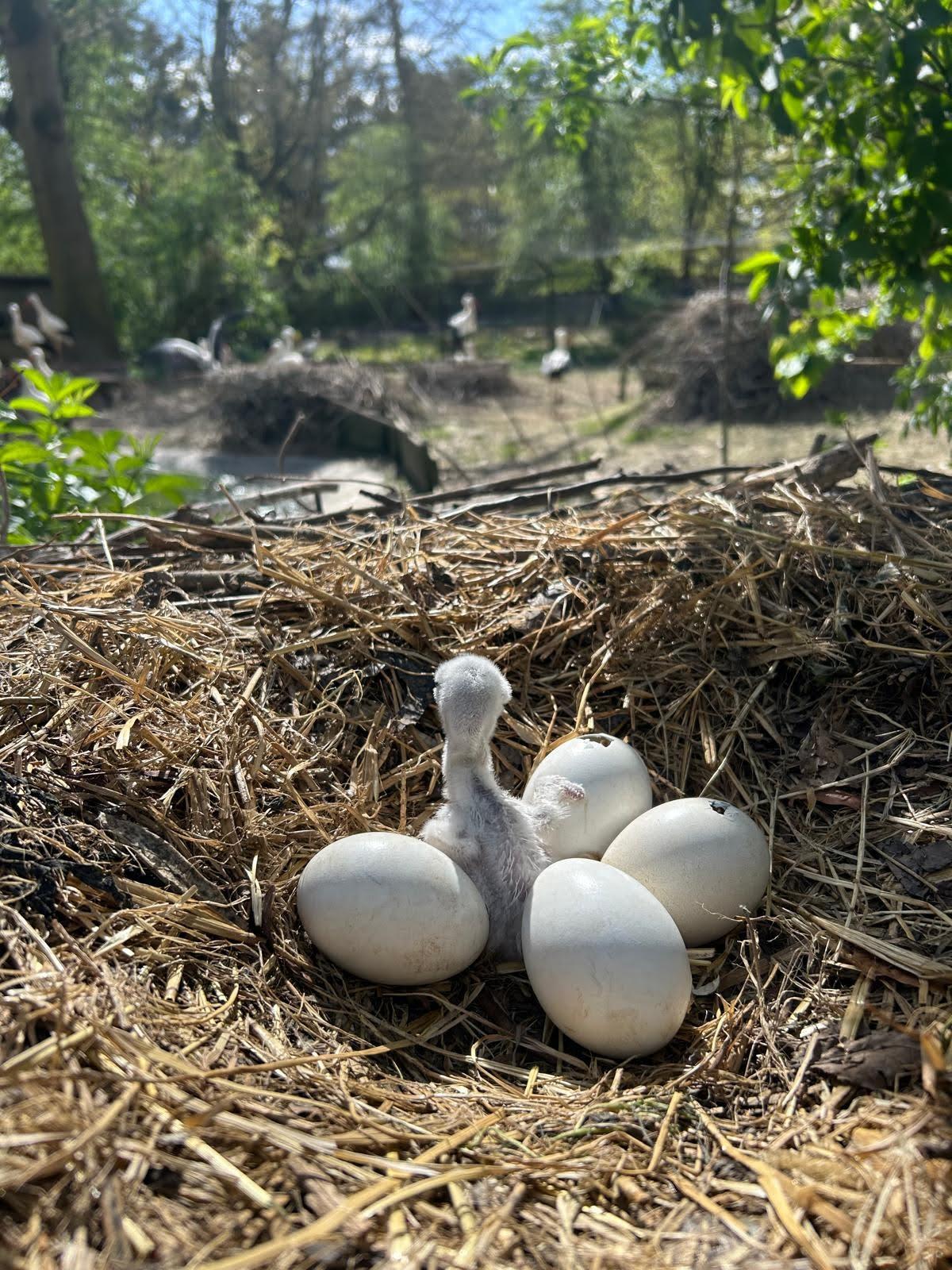
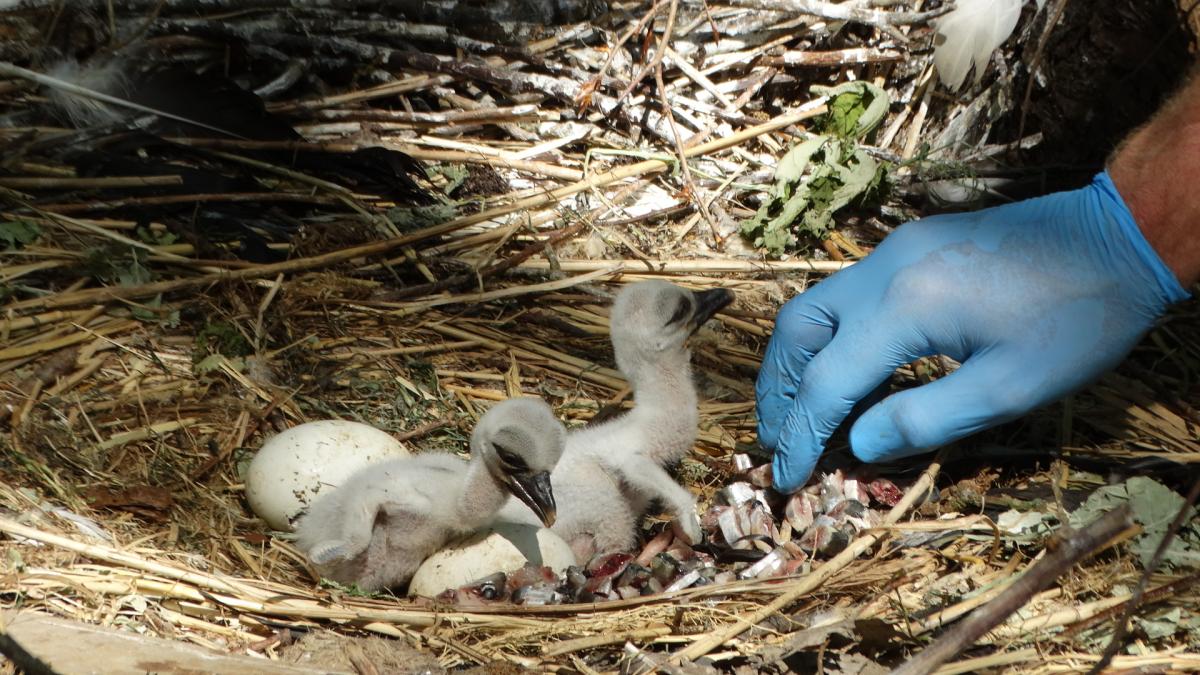
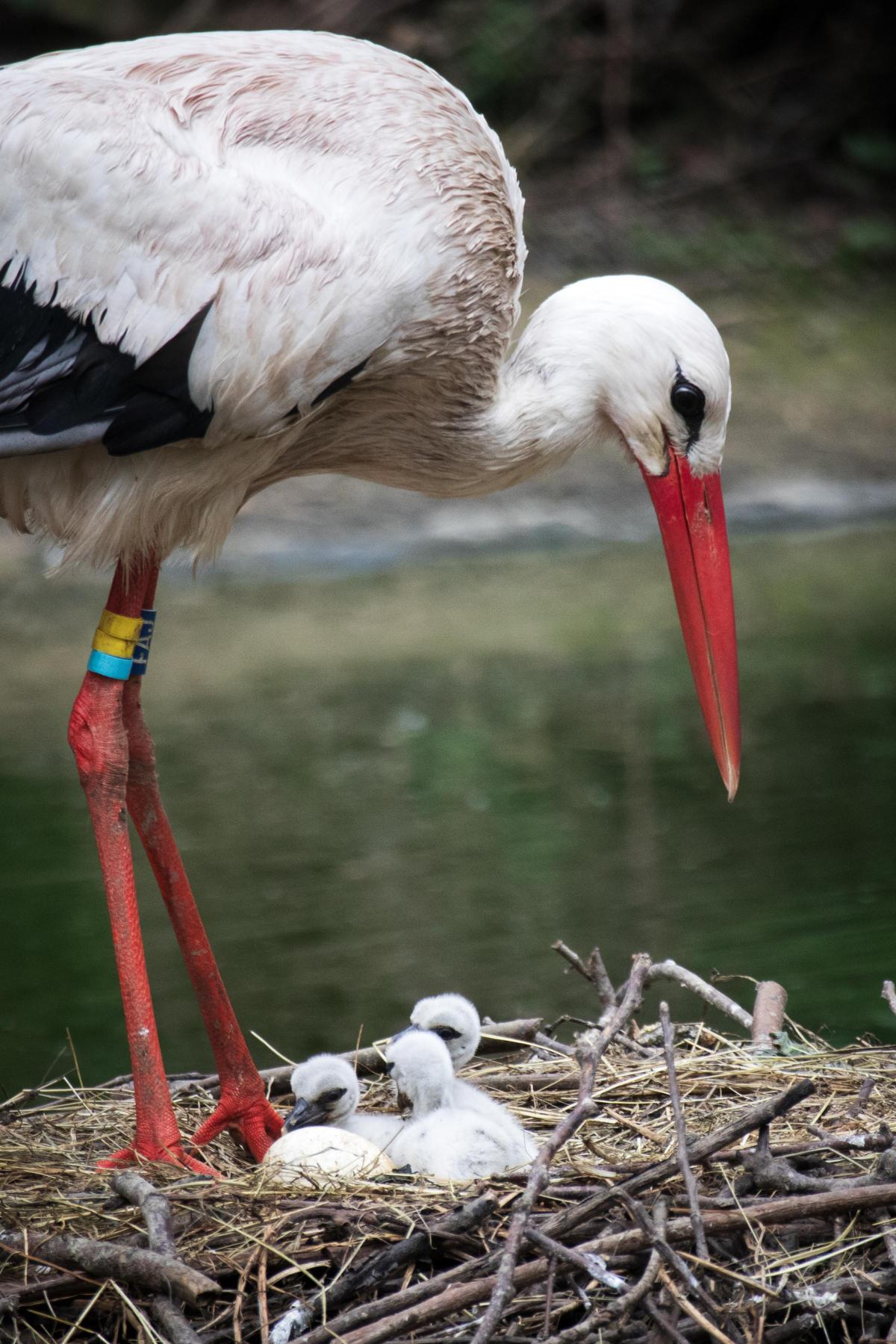
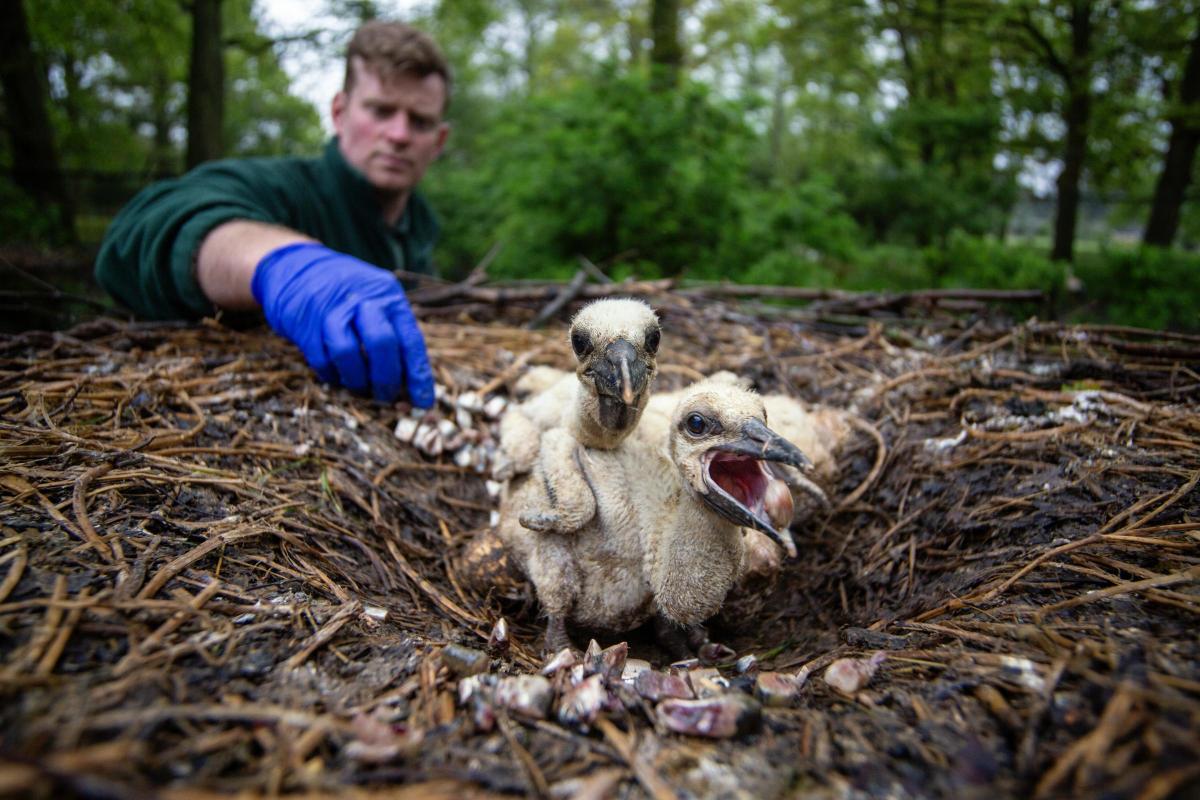
He said: "After approximately 35 days, the chicks will hatch and the keepers then assume the role of fairy godmother to the chicks and the adults.
"Although the adults will bring a good supply of food to the nest for the young, the keepers also assist feed – visiting each nest daily with quantities of finely chopped feed items, usually fish and insects, to ensure that each chick’s chance of survival is optimised, and the workload of the parents with large clutches is not too exhausting."
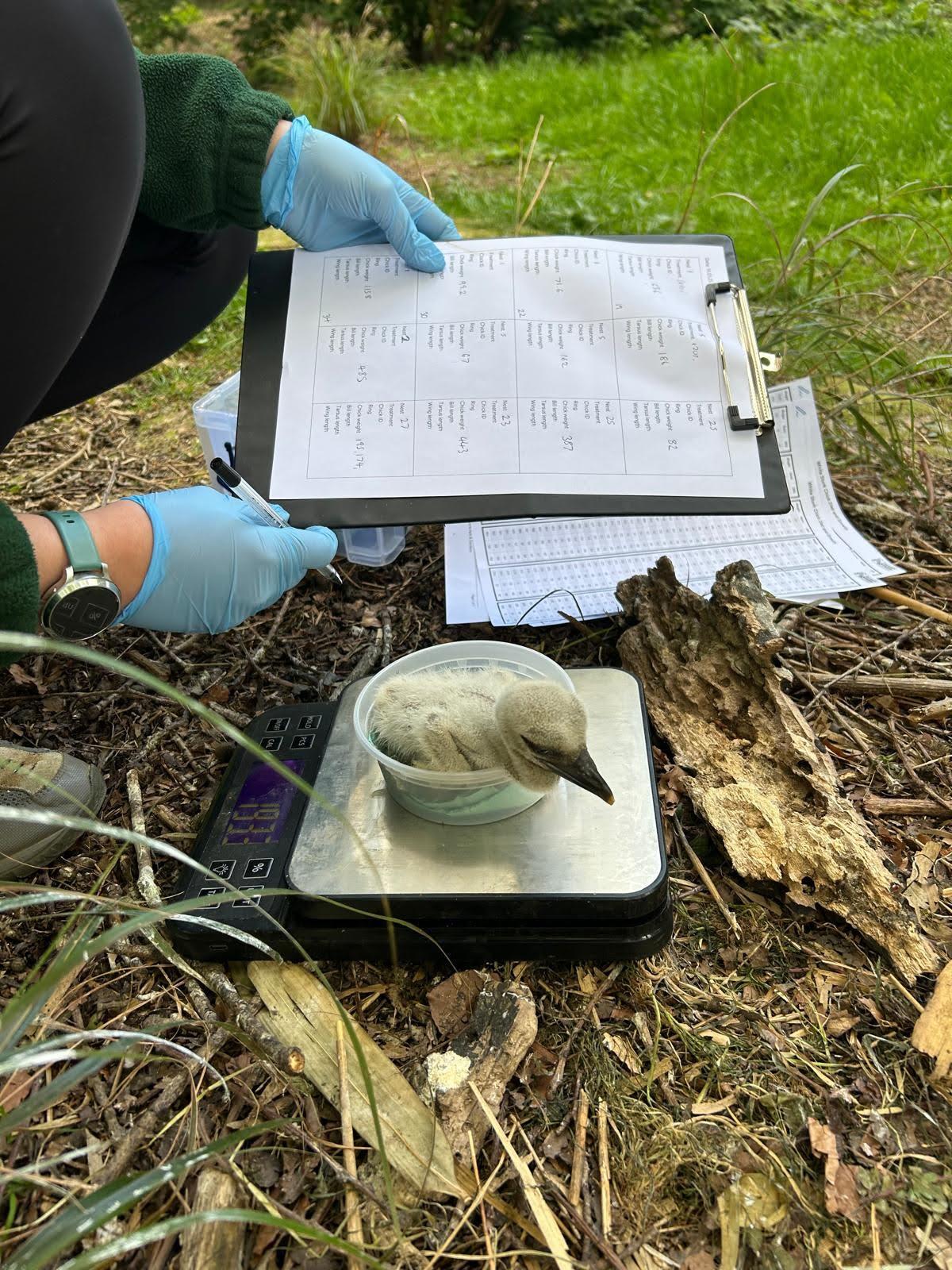
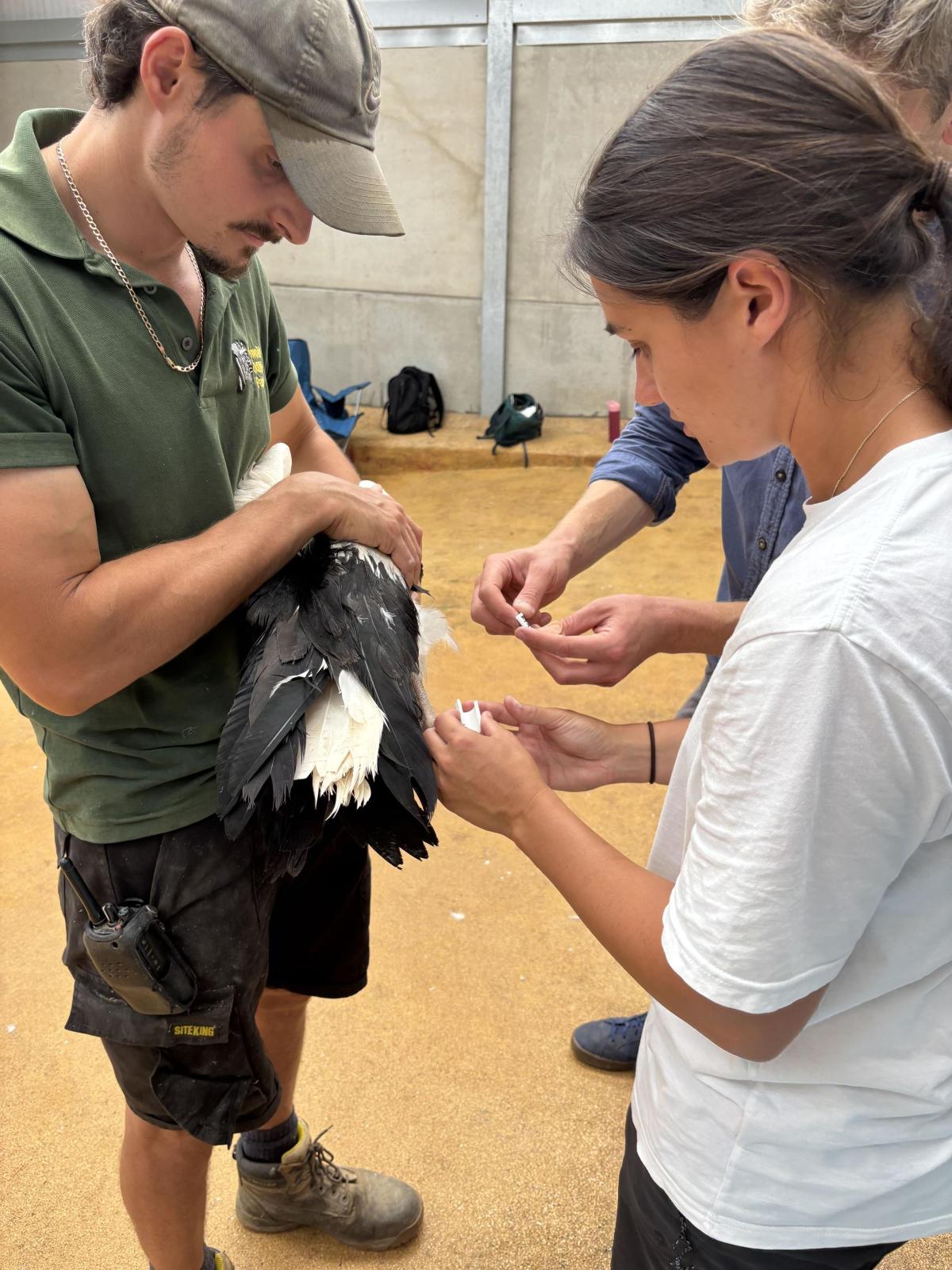
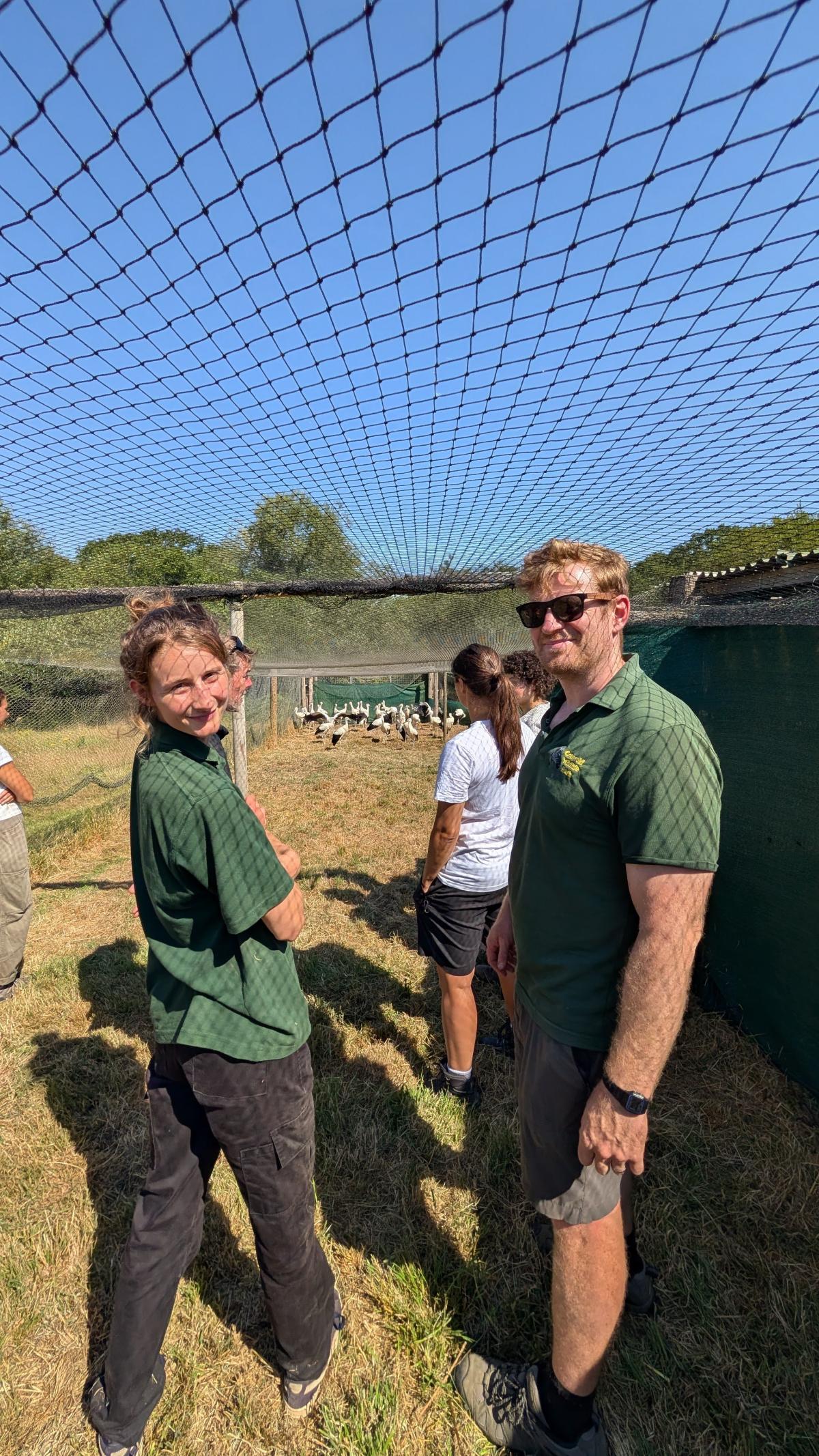
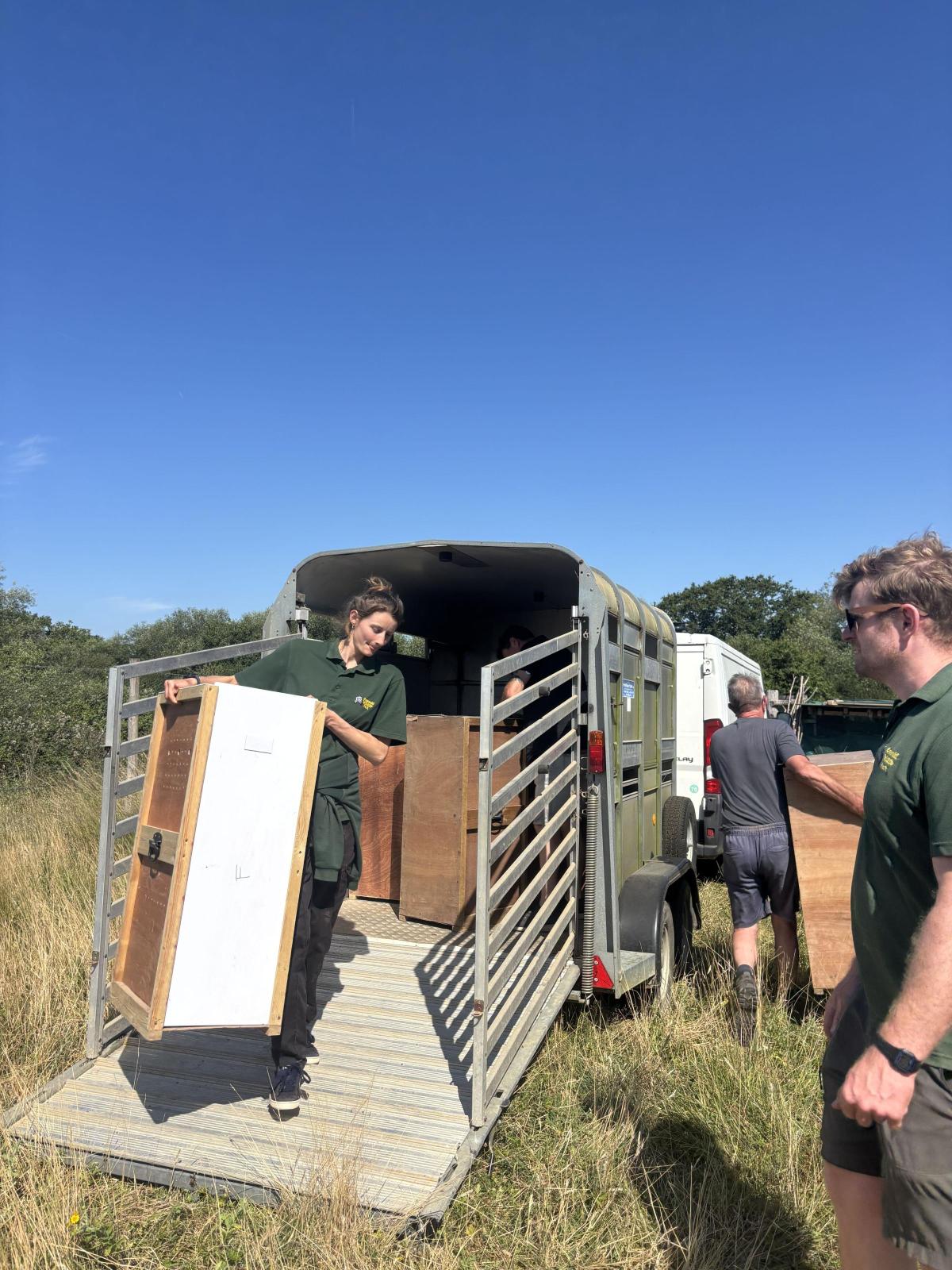
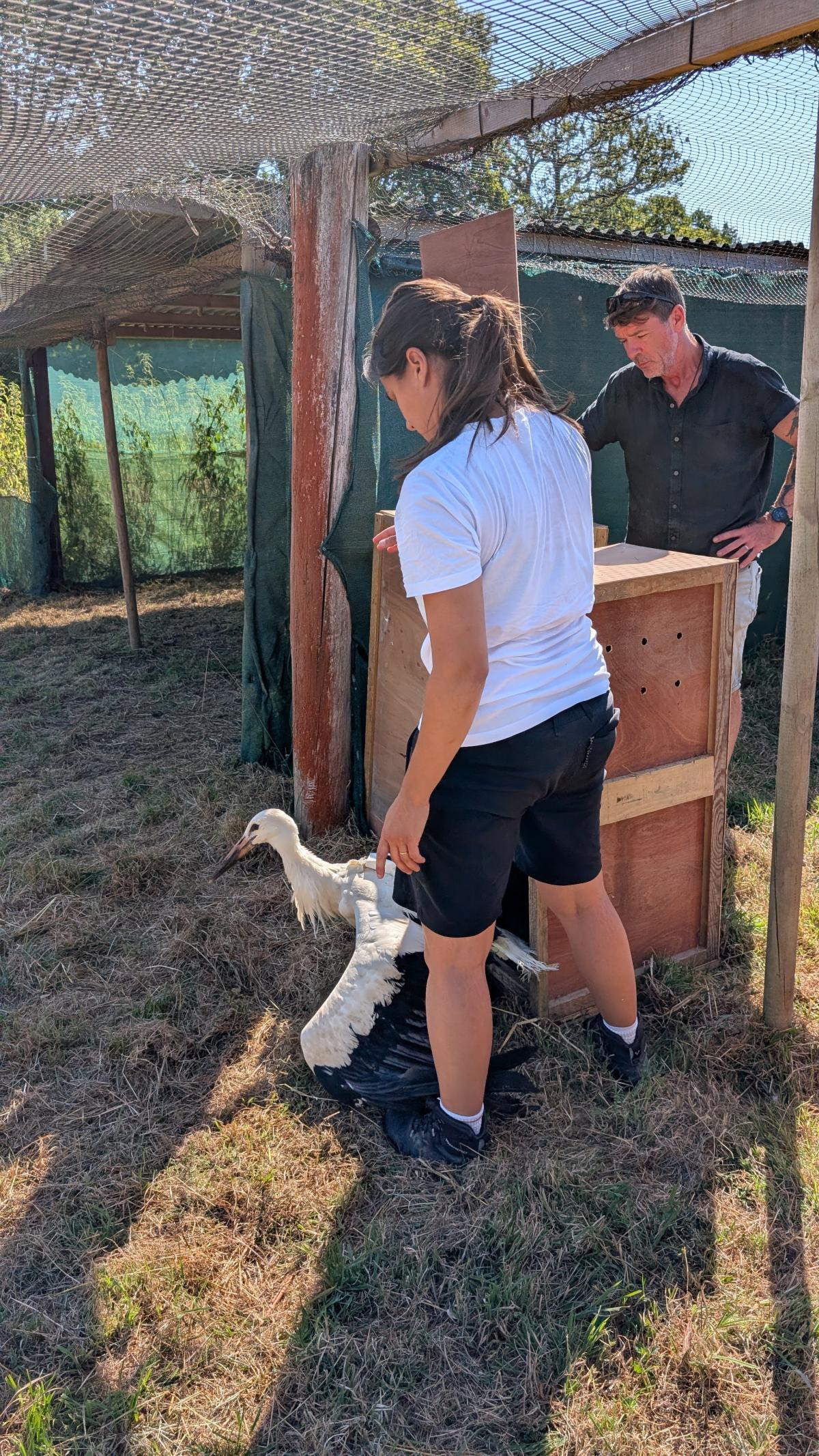
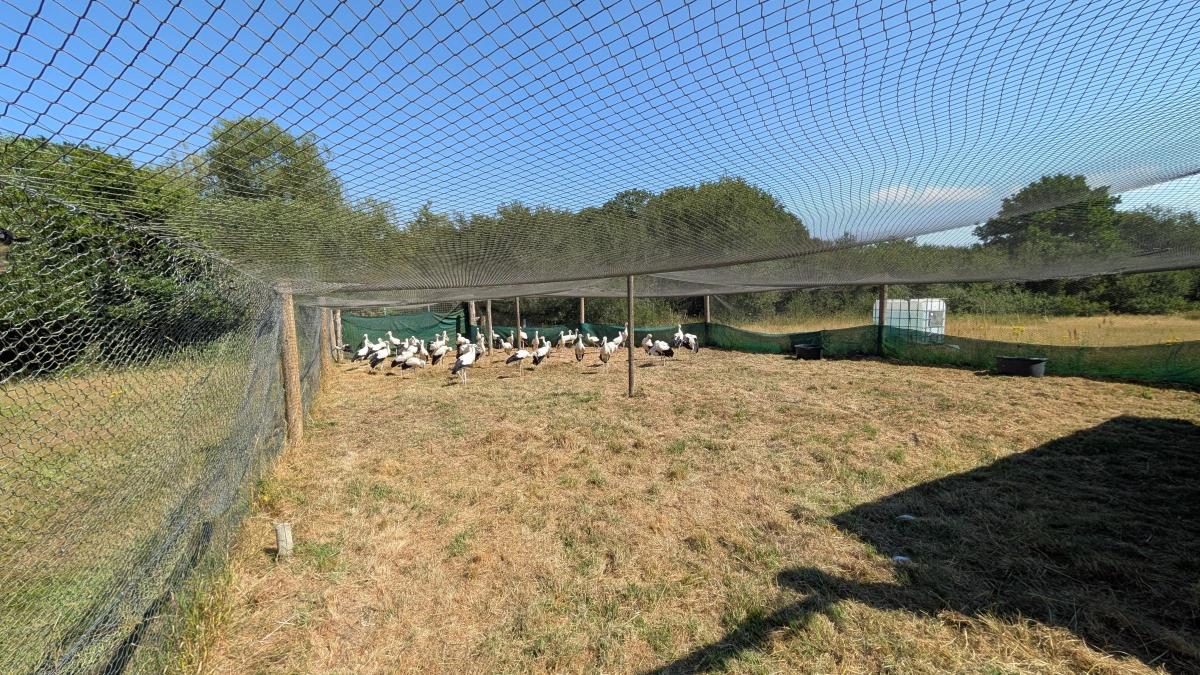
The juvenile storks are separated from adults after fledging, then sexed, ringed, and monitored for two weeks before being transferred to release pens in Sussex.
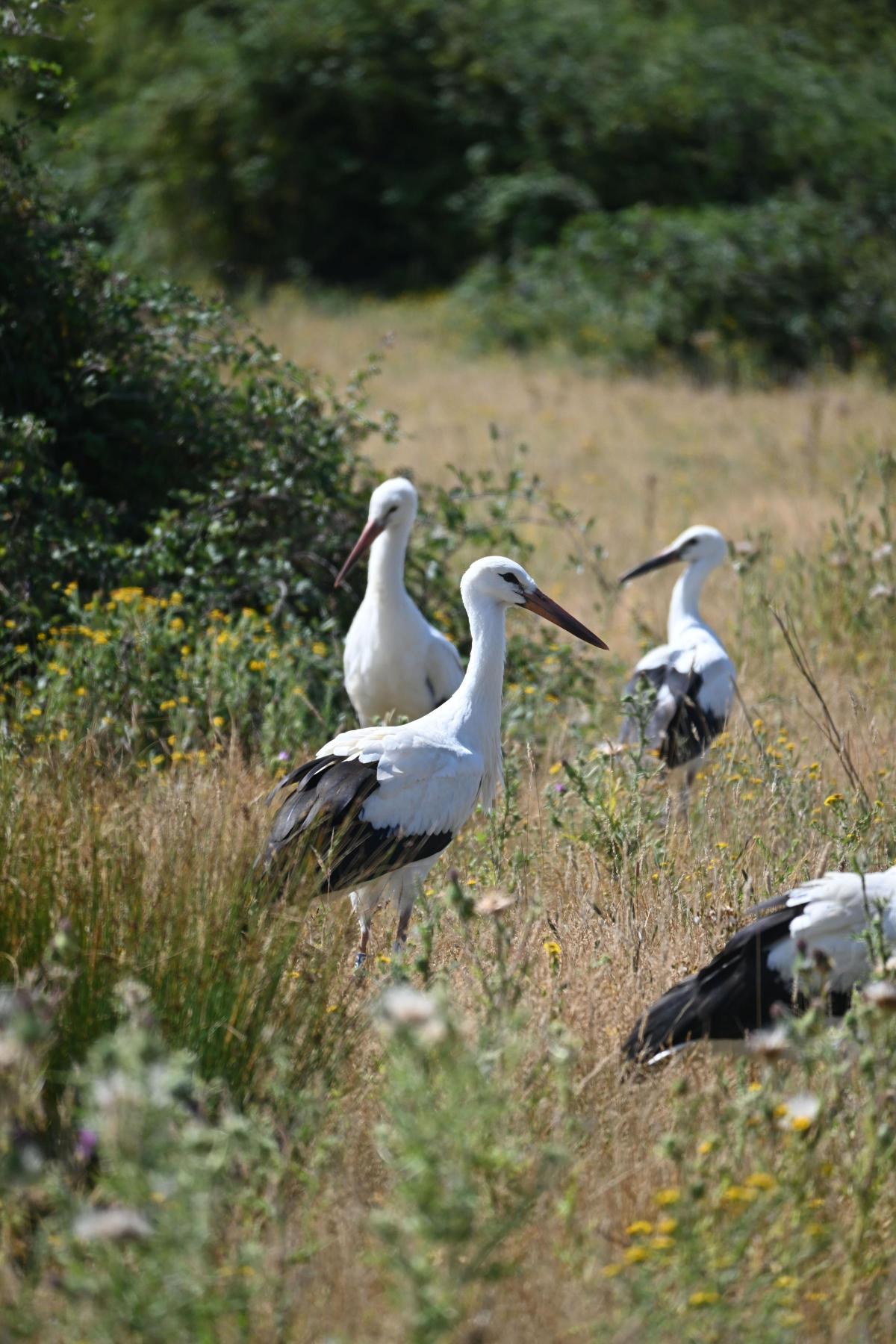
After further acclimatisation, they are released into the wild to begin their first migration.

Beth Peacock, conservation officer at Cotswold Wildlife Park, said: "For the first time, every bird is carrying either a satellite tracker or one of the new e-ring nanotags, which will help us build a much clearer picture of their movements, survival and behaviour after release, while making it possible to monitor more birds than ever before.

"It is a real privilege to be so closely involved in such an exciting project to bring this iconic bird back to our skies."
The young storks are expected to begin their migration in late August, although some may remain in the UK until early October.
The White Stork Project is a collaborative effort involving the Roy Dennis Wildlife Foundation, Knepp Castle Estate, and private landowners in Sussex.


Share