


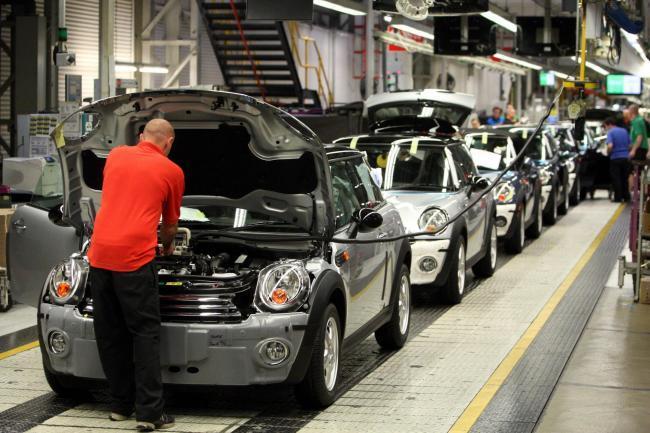


BMW is "reconsidering" plans to build electric cars at Mini’s Oxford plant amid "looming trade barriers and rising costs", according to reports.
The carmaker announced in 2023 a £600 million investment to upgrade the historic Cowley facility, targeting 2026 for the start of electric vehicle (EV) production.
Having planned to start by building electric Coopers and Acemans in the city, the ultimate aim was for an exclusive electric lineup by 2030.
According to German business magazine WirtschaftsWoche, an "influential" insider close to BMW's new chief executive Milan Nedeljković said Mini production in Oxford could become "unviable" due to impending tariffs between the EU and the UK.

A post-Brexit rule coming into effect from January 2027 says electric cars can only be traded duty-free if at least 45 per cent of their components are manufactured in the UK or EU.
Under the Brexit trade deal, the 45 per cent rule is part of the rules of origin in the EU–UK Trade and Cooperation Agreement (TCA) for electric vehicles.
READ MORE: New town planned around RAF base with 2,700 new homes
Vehicles that fail to meet these requirements will lose their tariff-free status and be hit with a 10 per cent import duty at the border.
This was agreed to in 2023 and due to start in 2024, but its implementation was pushed back to the end of this year.

For BMW, this essentially means meeting the threshold will be very difficult - casting doubt on whether it's worth making electric cars in Oxford.
BMW was asked whether it was reconsidering and whether any jobs would be at risk should EV production not take place in Oxford.
A spokeswoman said: "Plant Oxford is the heart of Mini production and remains a core part of the brand’s manufacturing footprint, producing Mini models for its largest market, the UK, and export to global markets.
"In addition, we continue to make full use of the flexibility of our global production network and will review this when it makes sense from a customer and market perspective."
WirtschaftsWoche also reports that BMW is dealing with rising production costs and so is "reluctant" to electrify the Oxford plant.
Around 80 per cent of Minis built at Oxford are exported to 110 countries, so losing tariff‑free access to the EU would be financially significant for the plant’s model mix and long‑term role in BMW’s global network.
Senior city councillor Linda Smith previously described the automotive sector as being in the midst of a "low-volume crisis" saying it would "not be an exaggeration to say that the Mini Plant Oxford has been, and continues to be, one of the worst hit".
Calls have frequently been made by the motor industry to scrap the Government's 2030 deadline to ban petrol and diesel cars.


Share