


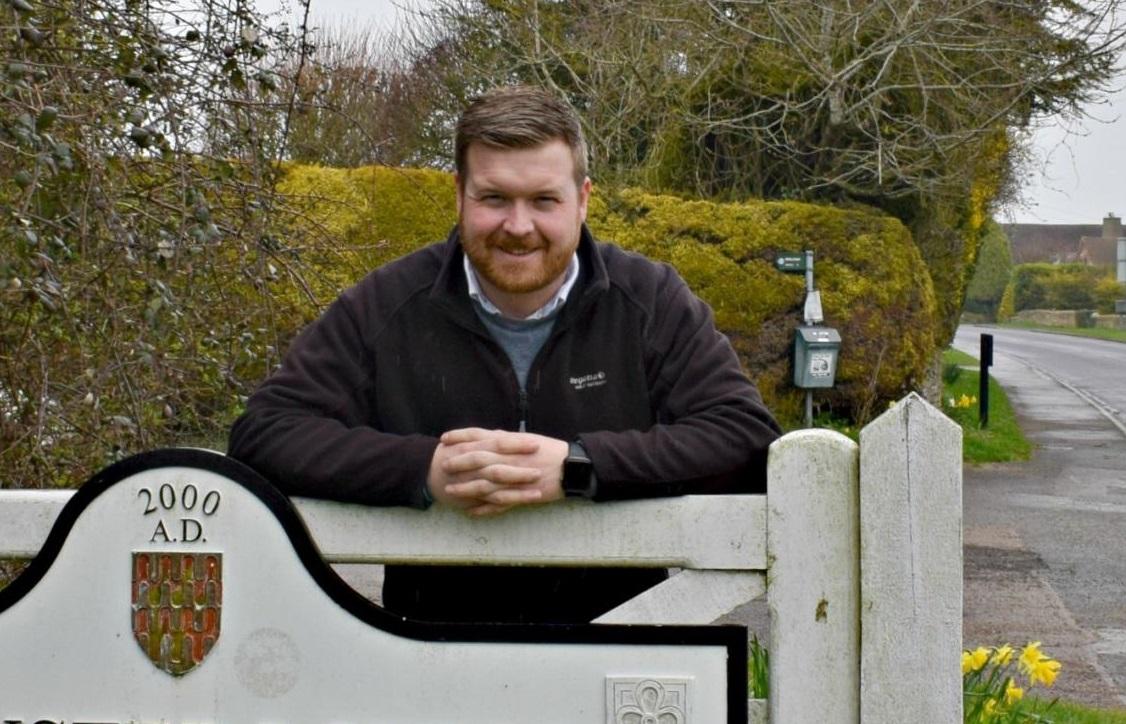

Plans for new 'quiet lanes' expected to ban vehicles from Oxfordshire roads in favour of people who "walk, wheel, cycle, and horse ride" are moving forward and may contribute to the creation of "life-saving" routes from countryside to city.
The scheme will include physical barriers, gates and bollards, as well as 20 mph speed limits, blocking traffic from country roads where an "adjacent" alternative route is available.
It will be enforced using experimental traffic regulation orders (ETROs), which will be subject to statutory consultation.
READ MORE: A34 closure announced for junction slip roads scheme
According to plans, locals, farmers, businesses, and emergency services would still be able to access the converted cycleway routes.
A pilot involving 10 streets was approved unanimously at Oxfordshire County Council's cabinet meeting on May 19.
A list of locations has not yet been decided, and the authority expects to select based on "local concerns" and places where it believes "sites may help to develop wider active travel networks or contribute to our Vision Zero road safety goals".
A spokesperson says "conversations have started" on proposed roads.
One of the roads scheduled to be included in the pilot is Shepherds Pit Lane in Stanton St John.
A consultation drop-in meeting was held about this plan on Wednesday, May 27, although it was advertised as a meeting on a "Shepherds Pit cycleway" as this scheme had already been "under development".
Quiet lane proposals had been made in the village for several years.
In November 2025, residents speaking at a parish council meeting shared concerns about closing the road to traffic, calling it "undemocratic" to close it for a cycle lane, saying it is the quickest route to the city.
Ward councillor and newly elected leader of the county council, Tim Bearder, is keen to push forward the proposals.
READ MORE: Oxfordshire leader says 'no revolutionary change' planned
Speaking at the cabinet meeting, he said: "The villagers will benefit from a really, really safe way to cycle into Oxford."
Mr Bearder added that this pilot is not the "be all and end all", stating the lanes should be able to create a "greenway" for residents in Oxford and Barton, to have "access to nature" and create a "safe way to take a short cycle ride with your children to enjoy that nature" around the county.

A spokesperson for the council has stated pilot plans are at too early a stage to say if they will be "joined up with any other infrastructure", but they will be designed "to work alongside other initiatives".
The council's transport plan includes a proposal to "connect" cycling and walking routes within towns and villages up to the outer edges of Oxford.
It states: "Some of these routes already exist, others are proposed and will be developed in the future."
Speaking at the cabinet meeting, active travel champion and county councillor Emily Kerr (Green) expressed her support for the proposals, describing how the death of a child on a rural road had led to cross-party calls for a quiet lane in Little Chesterton.

She described seeing a floral tribute and teddy bears by the side of the road, saying it was "where a five-year-old child had been killed by a rat-running driver just a couple of years ago".
She believes the scheme will allow "communities to designate fair local lanes as safe for villagers, to walk their dogs, to ride their ponies, to get to the bus stop" and "change rural lives for the better".
Robin Tucker, co-chair of the Coalition for Healthy Streets and Active Travel, believes the price tag is a perk of the plans and stated quiet lanes "can deliver safe routes for walking and cycling much quicker and cheaper than building them from scratch".
He believes they could "save lives" and said Witney Road, where CEO and cyclist Tim Joss died after being hit by a car in 2024, should be designated, as there are alternative routes for drivers.

Independent Oxford Alliance leader, city and county councillor David Henwood thinks the "principle of quiet lanes is a sensible one", but fears plans for "a ‘cheap as chips’ proposal that risks becoming more about grabbing a ‘headline’ than genuinely improving transport for everyone".
He questioned how the scheme would be funded, adding "if the council is serious about quieter roads, it should start by listening to rural residents rather than imposing one-size-fits-all restrictions from the top down”.

Mr Henwood has concerns about the lighting of rural roads in winter months, and questioned if pedestrian access and "stronger links between cycling and public transport" could be a better use of public money rather than the creation of a "patchwork of ideas with no joined-up thinking.”
Conservative county and West Oxfordshire district councillor Liam Walker fears the scheme could be "a slippery slope towards the kind of anti-motorist schemes we’ve increasingly seen imposed in Oxford now creeping out into our rural communities".

He believes there "may well be locations where aspects of a quiet lanes approach could work sensitively and with genuine local backing", but noted that the proposal should reflect rural life where "residents, farmers and local businesses rely heavily on their cars and road access".
Mr Walker fears that local views could "end up being ignored during the consultation process, much like many residents felt happened with the county council’s blanket 20mph speed limit changes".
A council report states mixed lanes with continued vehicle access were "discounted" as they would not "have the desired effect in relation to encouraging active travel or environmental benefits".
A spokesperson stated that under schemes, "overall journey times for drivers are usually only slightly affected because suitable alternative routes must be available".
Mr Bearder said the plans will "not be appropriate everywhere", saying a "limited number of routes" will meet the council's criteria.
He said: "Where there is a strong local case, the county council will be able to introduce an experimental traffic regulation order on a trial basis to test whether a scheme works in practice."
The scheme has been branded as 'countryside low traffic neighbourhoods (LTNs)'.
Despite this, Richard Parnham, a spokesperson for the LTN-critical Reconnecting Oxford campaign group, does not oppose them.

Mr Parnham stated: "Perhaps surprisingly, I think the county council's specific proposals for Stanton St John isn't the maddest idea they've ever come up with, and may even improve journeys for both cyclists and drivers."
He noted Shepherds Pit Lane and Bayswater Road "essentially start in the same place and end in the same place, and are almost as long as each other" but that Bayswater is a faster road.
He said: "Neither roads are congested, which is a problem typically associated with urban LTN boundary roads."
Mr Parnham thinks the scheme would prevent "opportunity for conflict" and questioned if one road was closed to motorists, the other may be closed to cyclists, saying it "would seem to be the fairest solution for both types of road user".
The council will not be considering this as an option as it moves forward with plans.


Share