


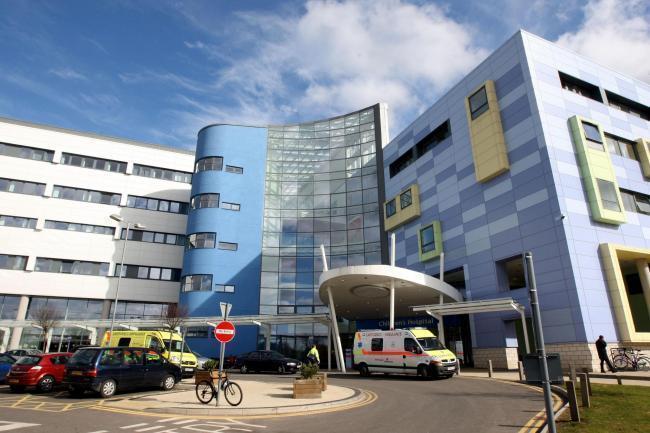


The deaths of 42 babies, who received care at Oxford University Hospital throughout pregnancy and birth from 2019 to 2024, could have been prevented, figures show.
A Freedom of Information Request for a BBC investigation found that 42 baby deaths could have been prevented with better NHS care.
They received care at Oxford University Hospitals (OUH) throughout pregnancy and birth. Of the deaths, 28 were still births and 14 were neonatal, a death within 28 days.
The hospital trust is one of 26 Level 3 NICU and neonatal surgery wards in the UK. The group includes high-volume centres, such as those with 4,000 or more births per year, but specifically hinges on the capability for surgical intervention.
While the official data shows that there were 58 deaths, 16 babies were transferred to OUH for specialist care either before or after birth.
Therefore the Perinatal Mortality Review Tool, which supports standardised reviews when babies die from 22 weeks' gestation onwards, may relate to care provided before the baby was born or arrived at OUH.
According to that tool, the care of 34 of the babies, 81 per cent, was graded 'C', meaning different care may have made a difference to their outcome. The care of eight of the babies, 19 per cent, were graded 'D', meaning different care would likely have made a difference.

Yvonne Christley, chief nursing officer at OUH, said: “We are very mindful that behind every statistic is a bereaved family.
"Each baby loss is a tragedy and has a profound impact on parents and loved ones. We are deeply sorry for the pain experienced by every parent and family who has experienced bereavement.
“We review each and every baby loss in detail so we can identify opportunities for learning and ensure improvements are made where needed. This happens as part of well‑established, robust multidisciplinary review process across the Thames Valley Network, which involves external reviewers to ensure independent scrutiny.
“We remain fundamentally committed to providing consistently safe, compassionate and high-quality care for all mothers, birthing people, babies and their families.”
From 2019 to 2024, there were approximately 7,400 births per year at Oxford University Hospitals, which is one of the largest tertiary referral centres in the country.
It had 78 obstetric claims, equating to about 1.8 claims per 1,000 births. This is one of the lowest rates among comparable Level 3 maternity units in England.
However, data from MBRACE-UK, which conducts robust national surveillance and investigates the deaths of women and babies who die during pregnancy or shortly after pregnancy in the UK, shows that the number of extended perinatal deaths, which is all stillbirths and neonatal deaths, was five to 15 per cent lower than the group average during four of the six years.

This week, MBRACE-UK published its latest 2024 national report on perinatal mortality, which is deaths from conception or pregnancy up to one year after giving birth.
The still birth rate at OUH was in line with the average for comparable services. Neonatal mortality and overall perinatal mortality were lower and better than average.

The Government is finalising the membership of the Maternity and Neonatal Taskforce ahead of the final report from the National Maternity and Neonatal Investigation in June.
The review, which is examining services at 12 NHS trusts, including OUH, was ordered by Wes Streeting last June.