

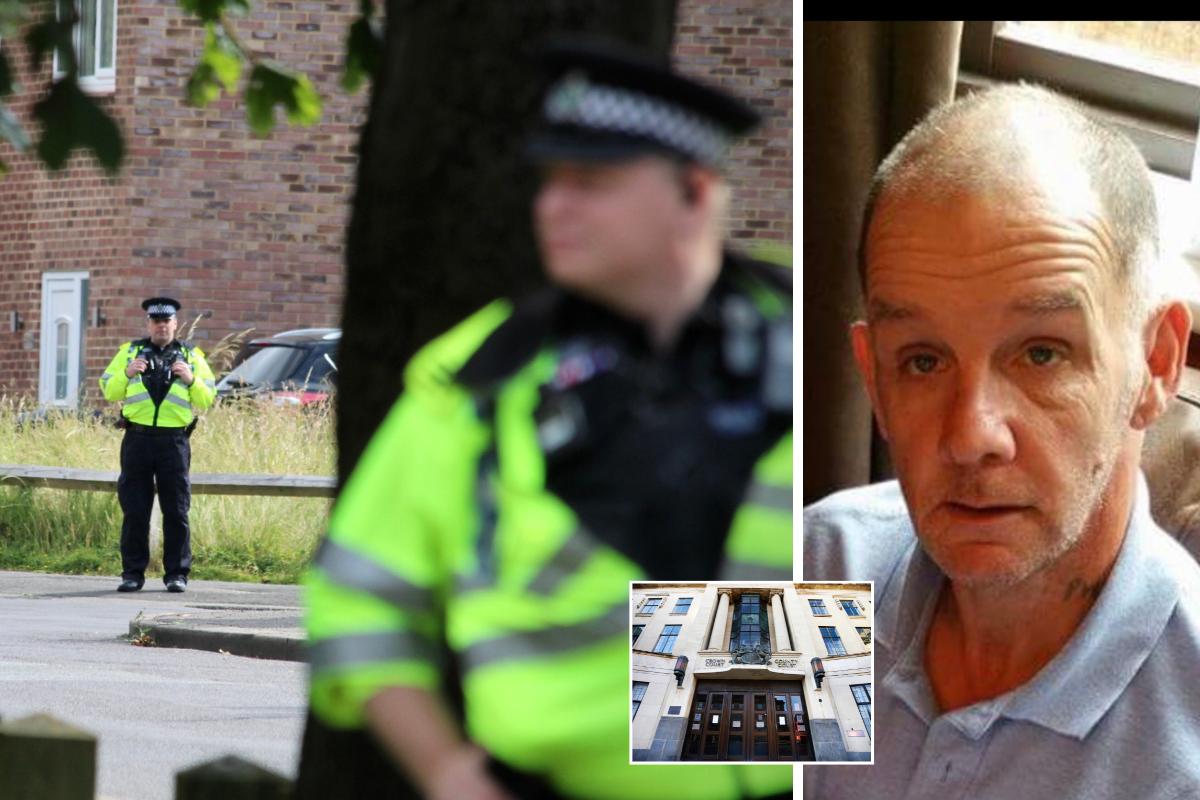


The son of Phil Breach has appeared in front of the magistrates for disorderly behaviour outside the courtroom where his father’s alleged killer was standing trial.
Tyler Breach, 19, found himself in cuffs when he tried to get into courtroom three at Oxford Crown Court on June 20.
He was not allowed to go into the trial as, at the time, it was thought he would have to give evidence in support of the prosecution of murder accused Liam Jones.
Tyler, who was murder victim Phil Breach’s younger son, tried to get into the courtroom past two police constables who were guarding the doors.
The teenager had been shouting insults on the concourse outside the courtroom, where inside prosecutor Sarah Gaunt was opening the Crown’s case against Jones.
Among his insults were claims the officer was a ‘stupid c***’ and a ‘piggy c***’. Prosecuting Tyler Breach at Oxford Magistrates’ Court on Wednesday (June 5), Crown advocate Jay Singh added: “He repeatedly shouted: ‘F***.'”
Ms Singh said: “At around 4pm, he tried to enter the courtroom but was stopped by the officers blocking the entrance.
“He was very aggressive with the officers and there were members of the public and court users around.”
The defendant was taken across the road to St Aldates’ police station where, because a fire alarm resulted in the evacuation of the building, he was back out on the street at around the same time jurors in the murder trial left the crown court opposite.
The jury had been sent home early as a result of the commotion outside. Mr Justice Murray, the trial judge, asked the panel to retire when the disorder from the concourse – partially visible through the rectangular windows in the courtroom’s swing doors – started to drag the jurors’ attention away from Ms Gaunt’s overview of the case.
On Wednesday morning, Breach, of Between Towns Road, Oxford, pleaded guilty to a single charge of disorderly behaviour; an offence under section five of the Public Order Act. He had no previous convictions.
Mitigating, Angela Porter said her client had a number of mental health difficulties, which made it ‘more difficult for him to manage his emotions and to explain and articulate what is going on’.
“He felt he was kept very much in the dark and didn’t know what was going on. He wanted to be in the courtroom,” she said.
The advocate added: “The last thing he wanted was for the trial to be derailed.”
The jury was discharged earlier this week after delays relating to the defendant’s ill-health, with the trial expected to be relisted later this year.
The justices imposed a 12 month conditional discharge and ordered he pay £111 in costs and victim surcharge.



Share